In each region, after three weeks in their Home Base city, our Scholars choose from five one-weekFellowships to deepen their understanding of a culture, a place, and its people. They meet with industry leaders and experts, journey down the world's great rivers and up its great mountains, track tigers and elephants, and visit sites of innovation and governance.
Below are select photographs and descriptions of all of our Fellowships from the 2025-2026 year. Peruse them to get a sense of just how diverse and exciting a Baret year can be!
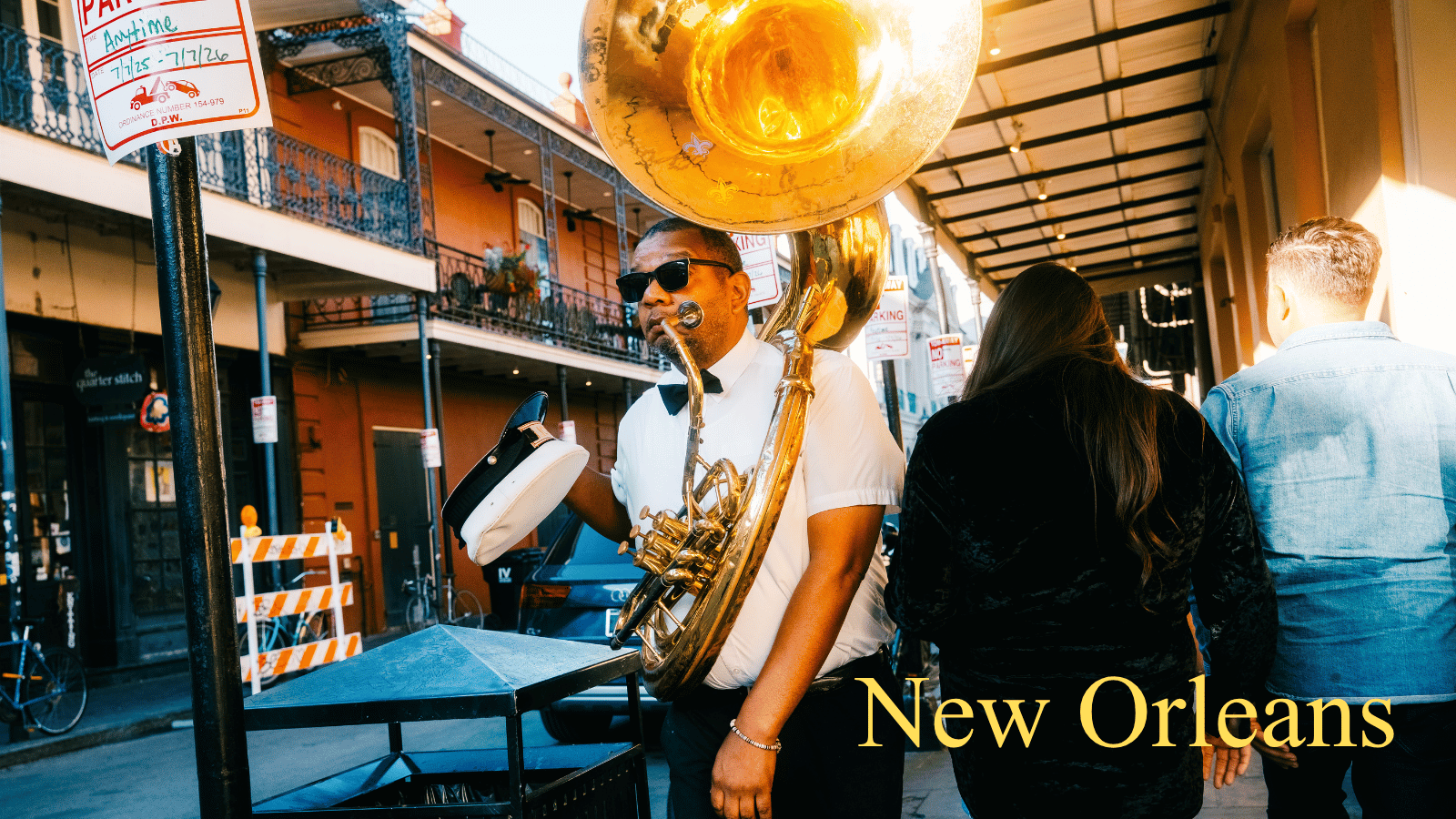
The Creative Soul of the South: New Orleans
Founded in 1718, New Orleans boasts a blend of French, Spanish, African, and Creole influences, evident in its architecture, festivals, and local customs. Renowned for its rich history, diverse music scene and flavorful cuisine, the city serves up a melting pot bubbling with creativity. Known for its resilience, the city has overcome significant challenges, including Hurricane Katrina in 2005, and continues to thrive as a hub of cultural diversity and artistic expression.
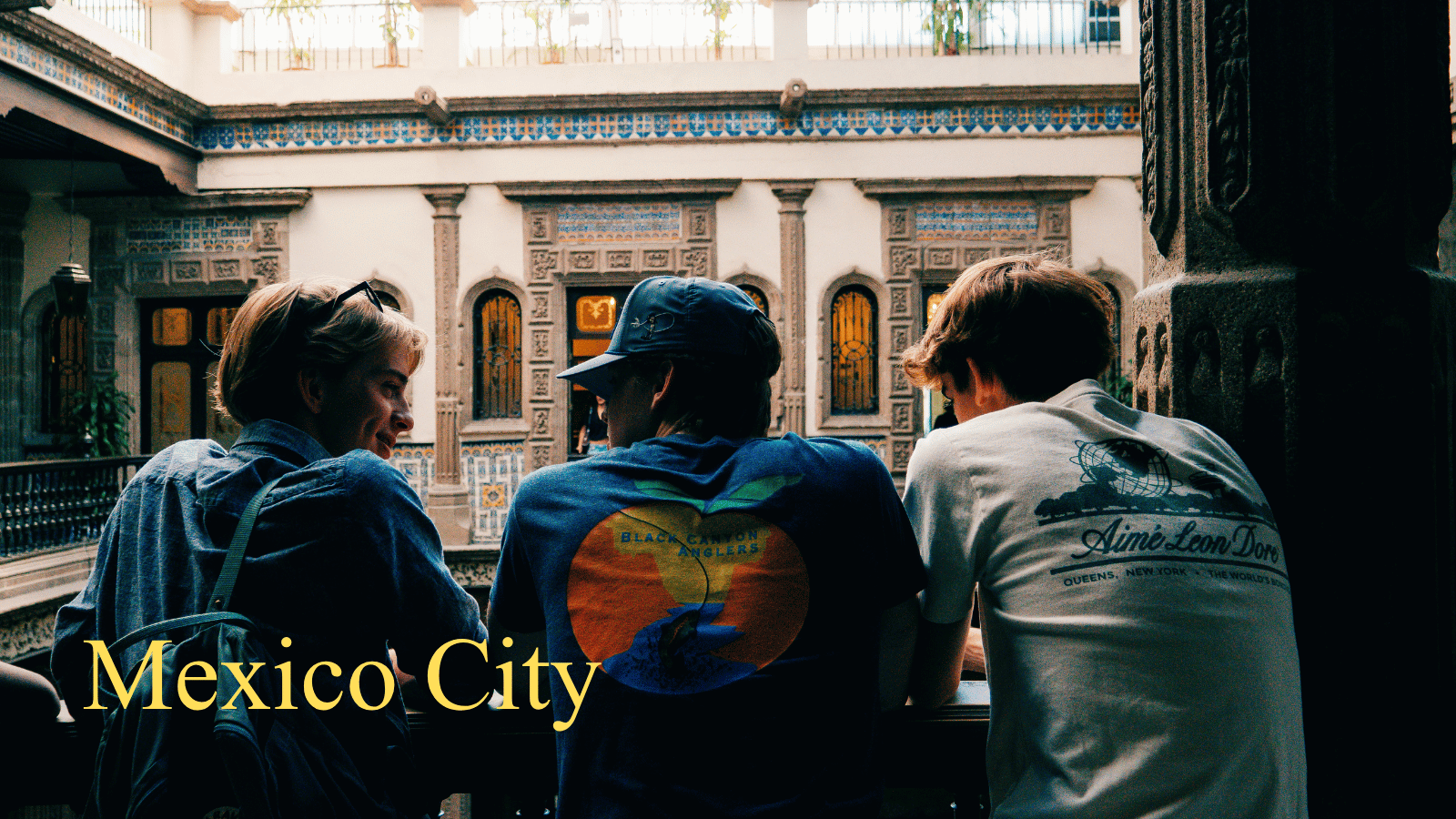
The Navel of the Moon: Mexico City
As the capital of the United States, Washington, D.C. is the seat of government and a living archive of American ideals, contradictions and evolution. Designed in the late 18th century as a symbol of unity and power, the city has since grown into a dynamic urban landscape shaped by both monumental decisions and grassroots movements. With a population that reflects a vibrant mix of cultures and histories, D.C. is home to policymakers, artists, activists and everyday residents whose lives intersect with the machinery of government in both subtle and visible ways.
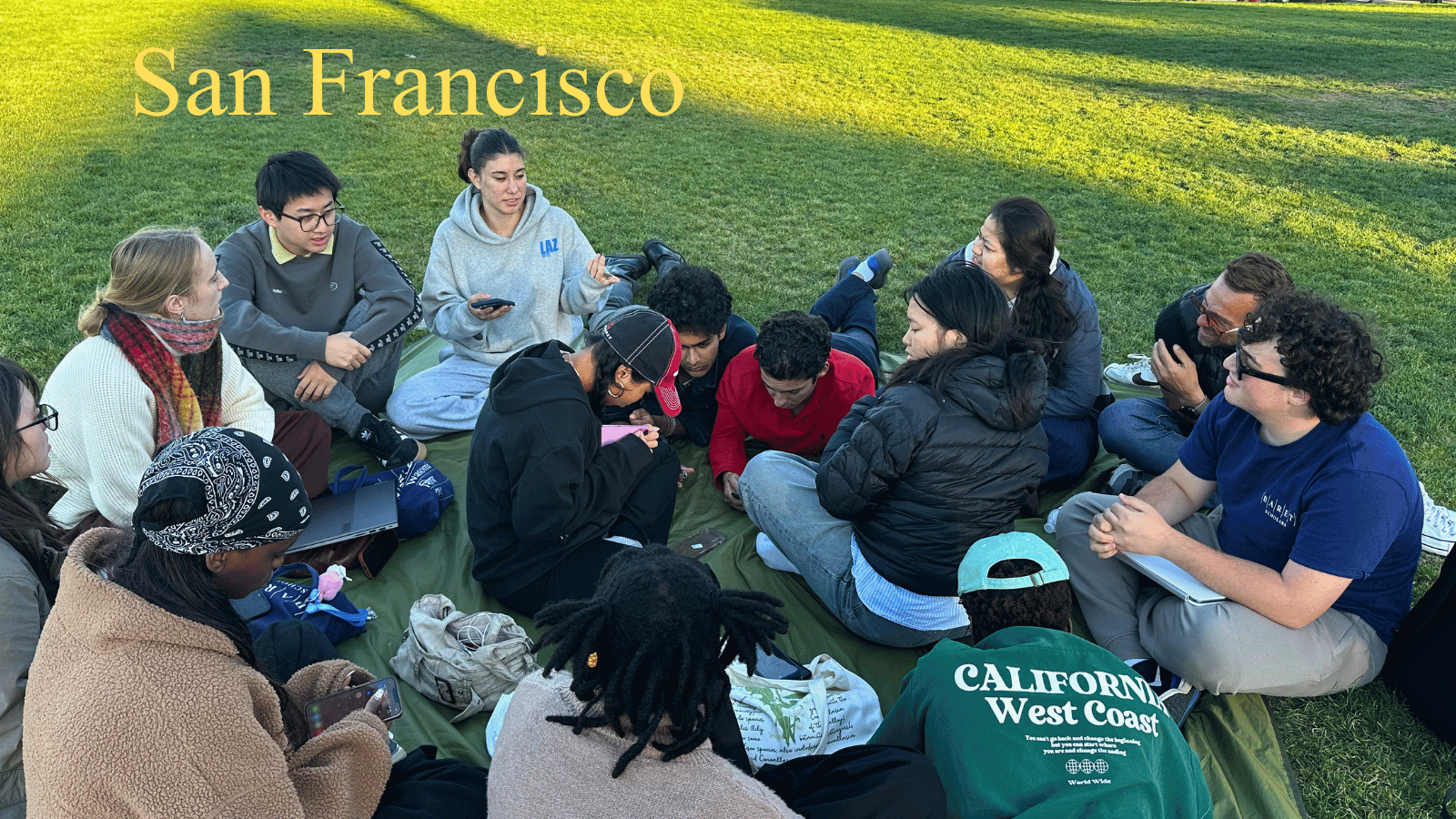
Start Up U: San Francisco, CA
Silicon Valley has a reputation for innovation and entrepreneurship. From 1990 to 2000 alone, an astonishing 29,000 ventures were launched, cementing the Bay Area of San Francisco as the top-ranked startup ecosystem in the United States. Home to over 40,000 startups and tech giants like Apple and Intel, talent and capital have flocked to the Bay Area, making it a breeding ground for groundbreaking ideas and successful enterprises.
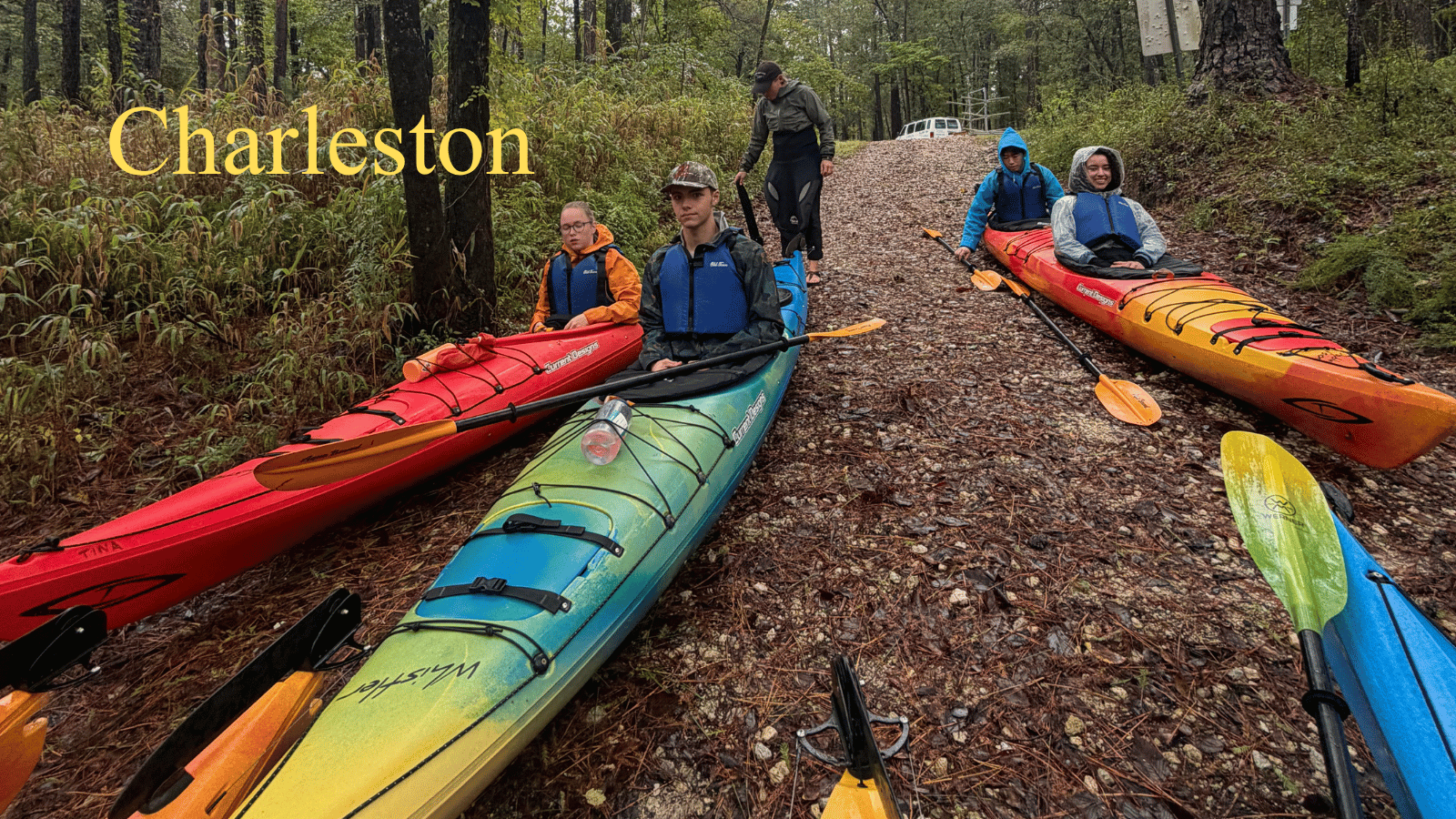
From Swamp to Sea: Charleston, NC
With a population today of around half a million, Charleston County has grown from its humble roots to become a rising city in size, attraction and commerce. Reaching over 187 miles across South Carolina’s coastline, the Lowcountry hosts a wealth of natural beauty and supports a multitude of unique and powerful ecosystems.
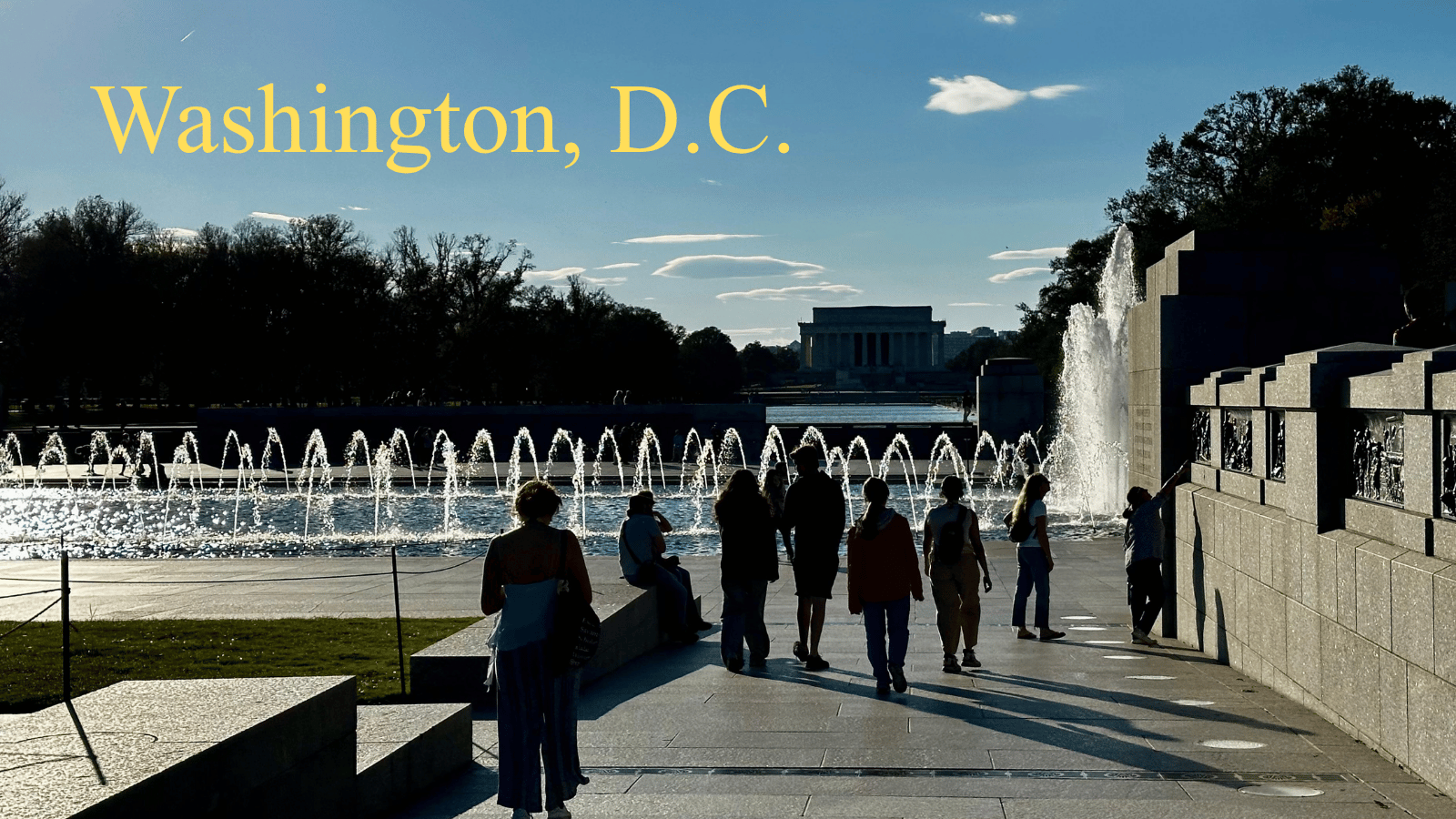
DC 538: Washington, DC
As the capital of the United States, Washington, D.C. is the seat of government and a living archive of American ideals, contradictions and evolution. Designed in the late 18th century as a symbol of unity and power, the city has since grown into a dynamic urban landscape shaped by both monumental decisions and grassroots movements. With a population that reflects a vibrant mix of cultures and histories, D.C. is home to policymakers, artists, activists and everyday residents whose lives intersect with the machinery of government in both subtle and visible ways.
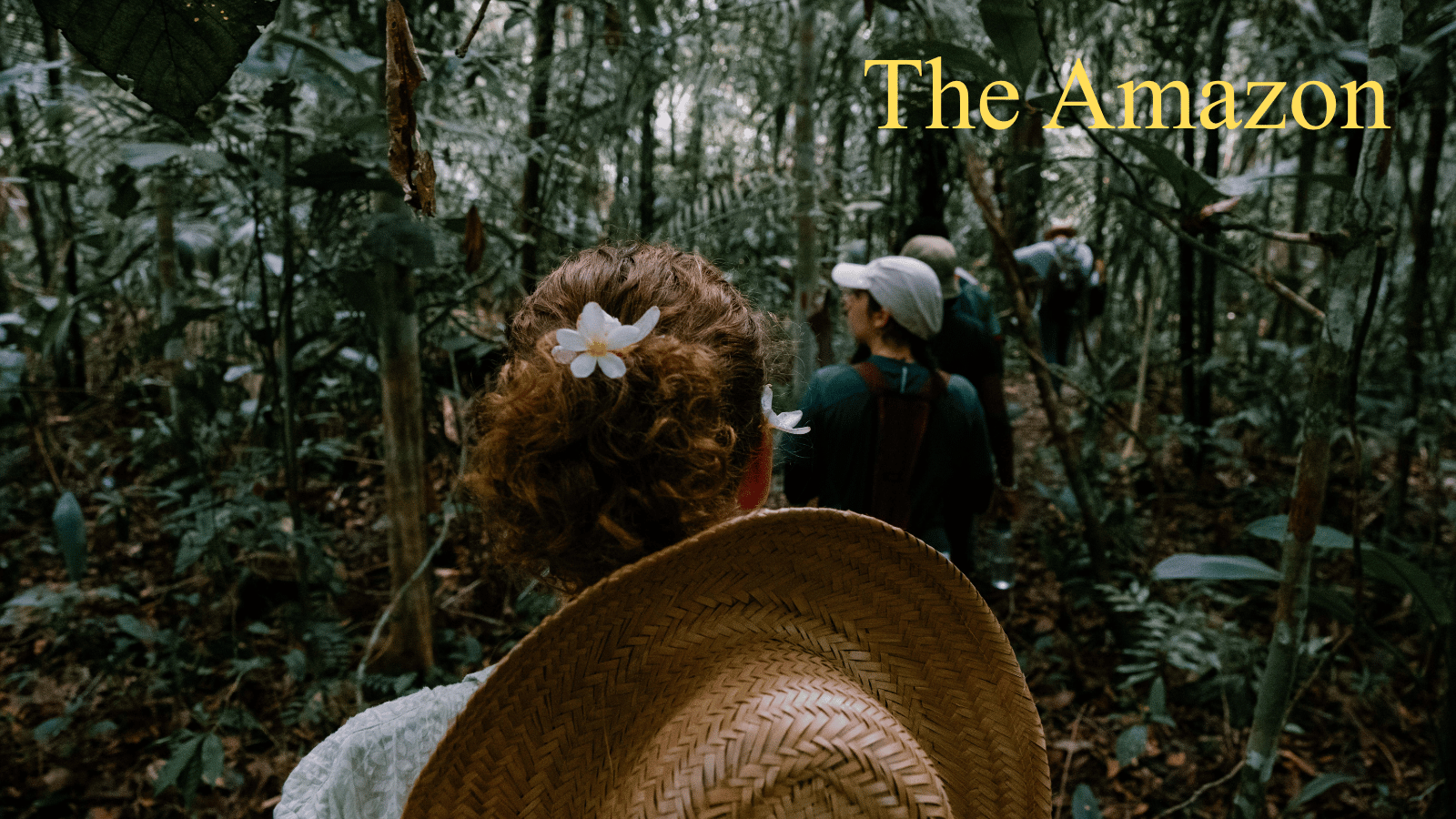
Current Affairs: Power, Nature and the Amazon
The Amazon is often called the ‘lungs of the planet’; a vast and vital ecosystem that stretches across nine countries and fuels much of Earth’s biodiversity and climate regulation. But beneath its green canopy lies a complicated history: one shaped by colonial extraction, rubber booms and global economic forces that continue to threaten its survival. From the opulent architecture of Manaus, a city that flourished during a gilded era of rubber wealth, to remote villages accessible only by river, the Amazon holds stories of both exploitation and resistance. Today, as illegal deforestation accelerates and climate change looms, local and global movements are rising in defense of this irreplaceable biome.
Woven Worlds: Art, Ecology, and Everyday Life in the Peruvian Andes
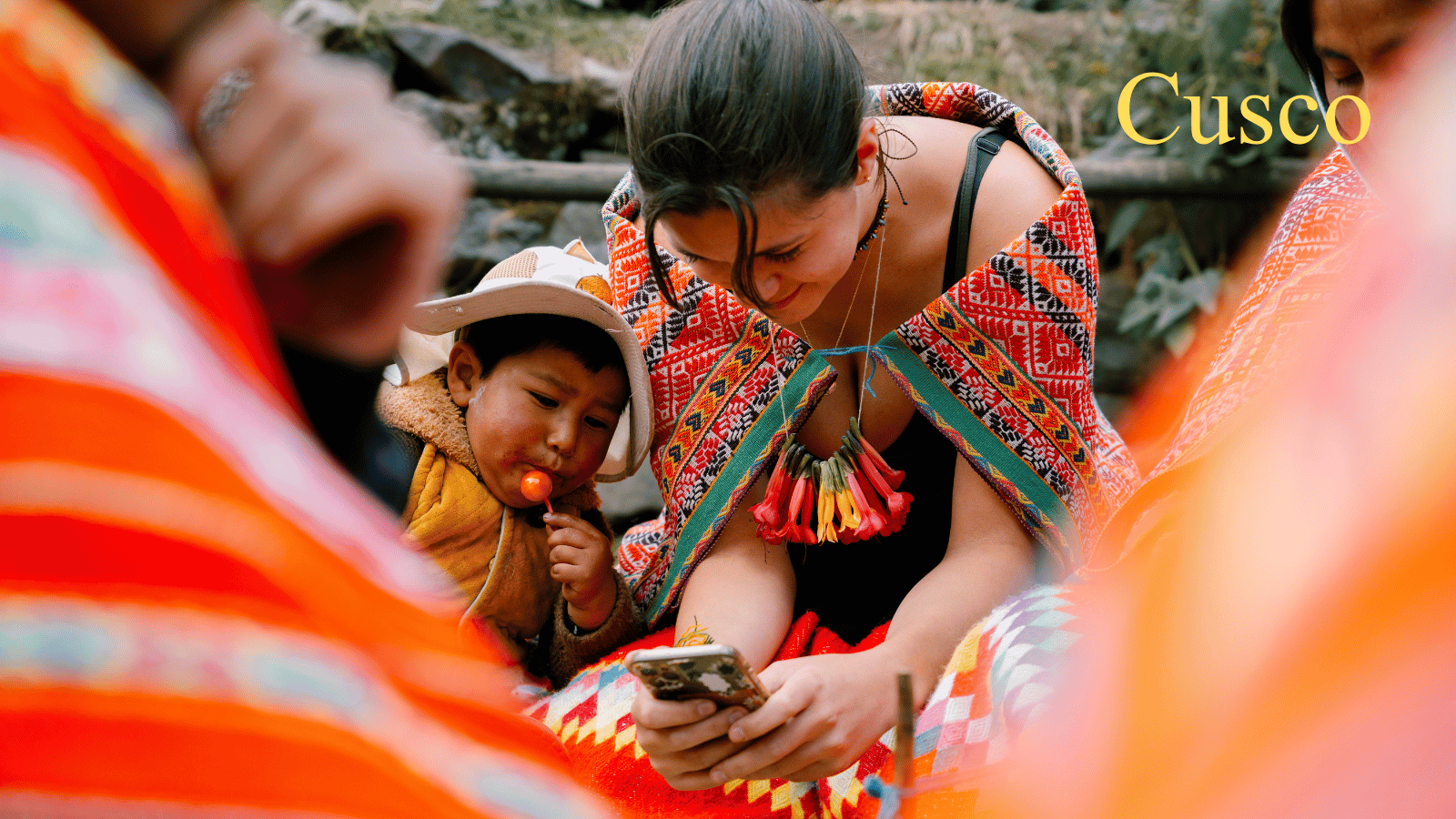
Nestled in the heart of the Andes, the city of Cusco stands is a gateway to the sacred valley and a living monument to Peru’s layered history. Once the capital of the Incan Empire, today it blends indigenous traditions with colonial legacies and modern Peruvian life. Surrounded by mountains, terraced farmland and pathways to wonders like Machu Picchu, this region invites visitors not to feel the continuity between people, place and practice.
City of Influence: Innovation, Impact and Industry in Buenos Aires
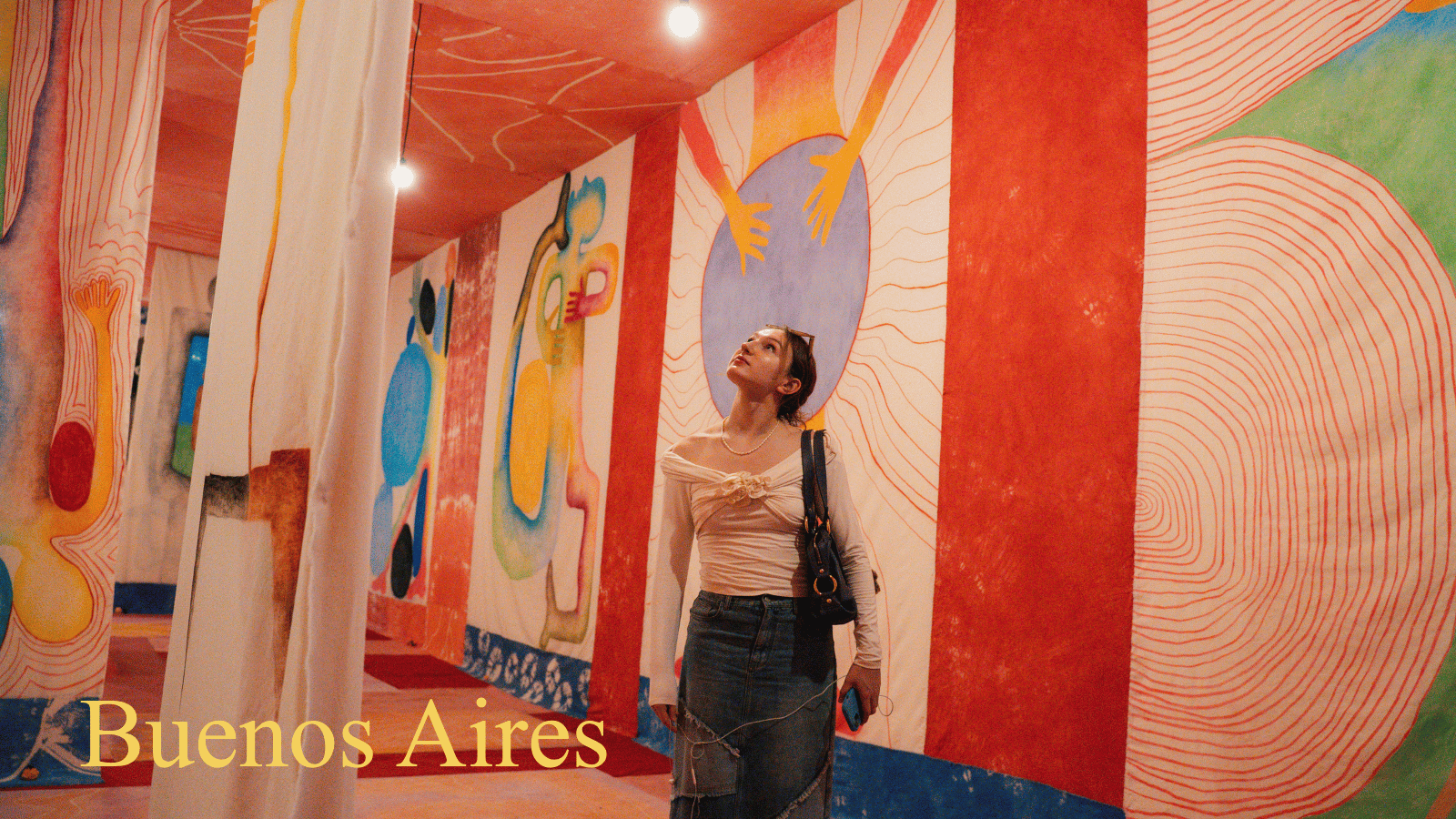
Argentina’s capital city, the autonomous city of Buenos Aires, is defined by rhythm and reinvention. In it, history meets innovation, and every corner pulses with possibility. As Argentina’s cultural and economic heart, it offers a heady brew of artistic tradition, entrepreneurial energy and civic complexity. But behind its celebrated museums and neighborhoods lies a compelling question: How do private industries and philanthropic actors influence public life? In a country known for both social resilience and economic flux, Buenos Aires provides a powerful lens to explore how private initiative, public need and civic voice converge, and what new models of connection and responsibility are emerging from this mix.
The Ends of the Earth: Tierra Del Fuego, AR
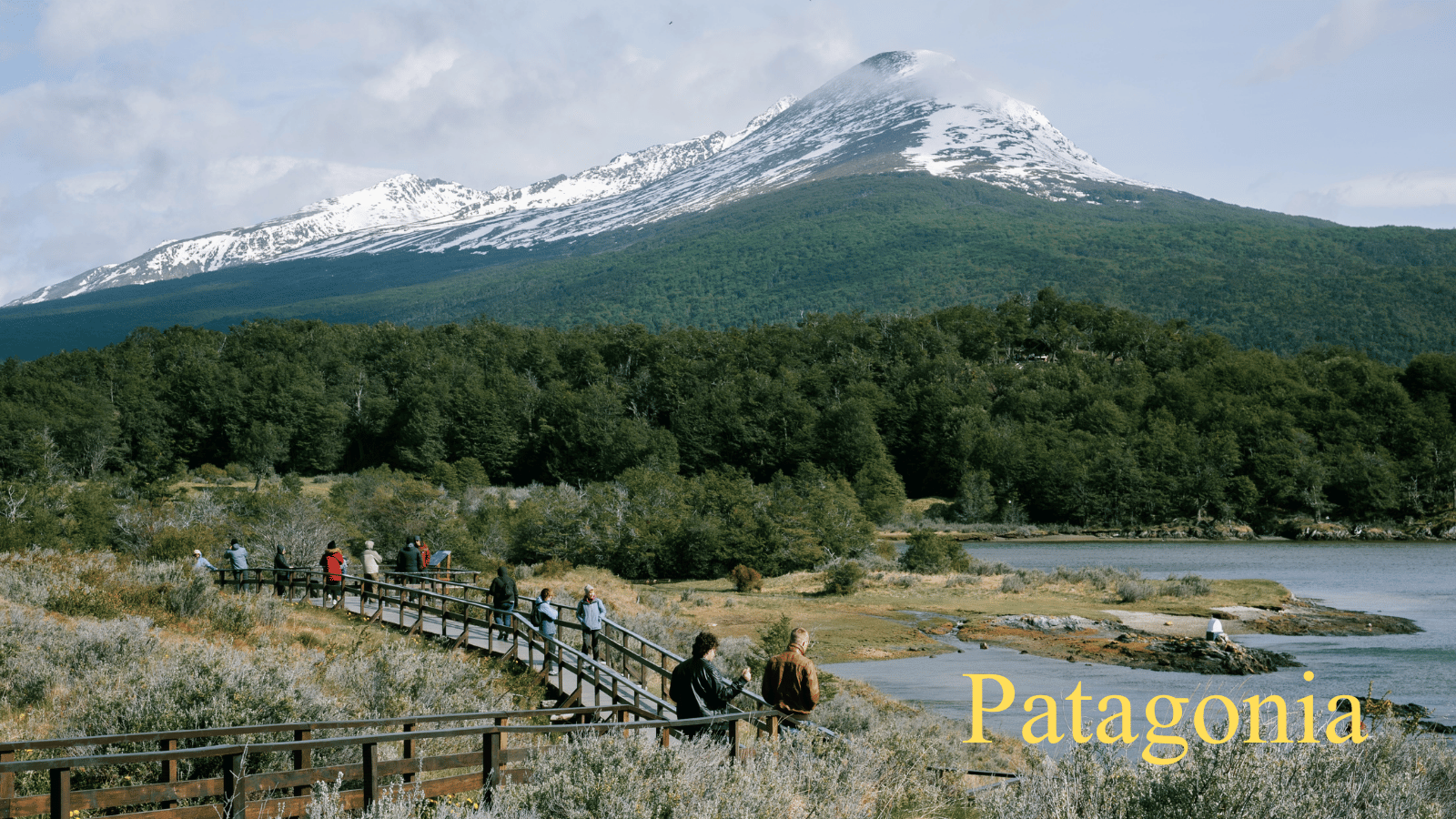
In 1766, Baret’s Scholars namesake, Jeanne Baret, became the first woman to circumnavigate the globe, disguised as a man aboard the French vessel Étoile, collecting thousands of plant specimens and defying the limitations of her time. Though her contributions were miscredited to her male counterparts and her impact was overshadowed over time, Baret’s legacy endures as a testament to boldness, curiosity and our connection to the natural world. This Fellowship invites students to follow in her footsteps; not in disguise, but in discovery. From glacier-fed rivers to jagged peaks and windswept coastlines, Patagonia offers the ideal backdrop to explore themes of resilience, biodiversity and personal growth. Through guided hikes, ecological excursions and wildlife observation, students will consider the balance between human ambition and the vast, humbling forces of nature.
Remix the Empire: The Redefinition of London
Once the beating heart of an empire, London has long been a city defined by its reinventions. From fogladen alleyways and Victorian legends to the explosive cultural renaissance of Cool Britannia, London has embraced and redefined its identity time and again. Today, it stands as one of the most diverse and creatively vibrant cities in the world, where a stroll through neighborhoods like Brixton, Shoreditch or Notting Hill reveals a layered past and a rapidly evolving present. Students will dive into this shifting urban landscape, tracing how London’s history of class, immigration and culture continues to shape its neighborhoods, its art and its people.
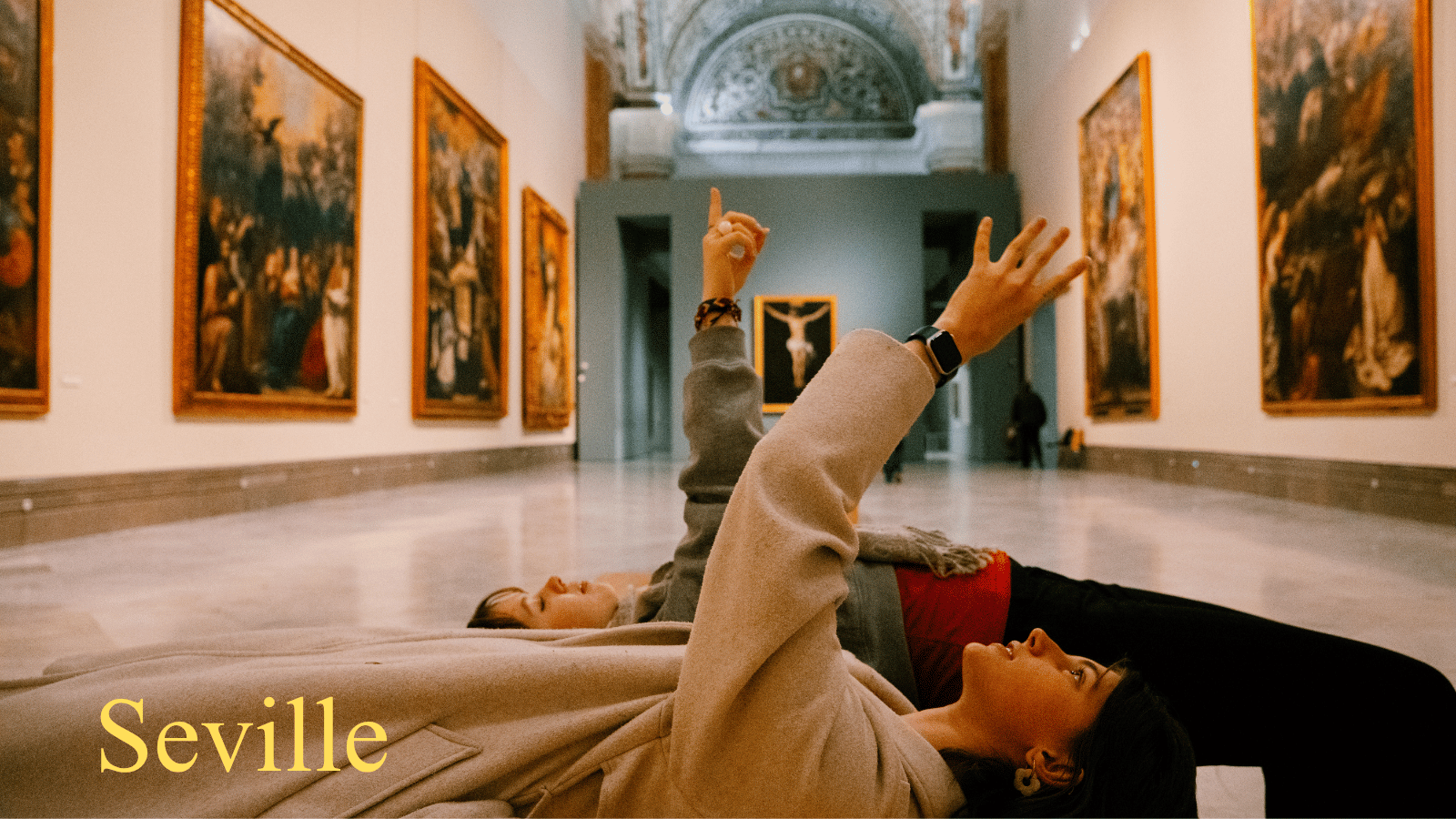
Flamenco Fiesta: Seville
Seville, the capital of Andalucía, is a city where Roman ruins, Moorish palaces, and Gothic cathedrals stand side by side. Known for its vibrant festivals, winding cobblestone streets and sun-soaked plazas, Seville is also the birthplace and beating heart of Flamenco. As the city pulses with life, music and dance, it offers an immersive environment for students to experience not only Flamenco but also the layered history and resilient spirit that shape this enduring cultural expression.
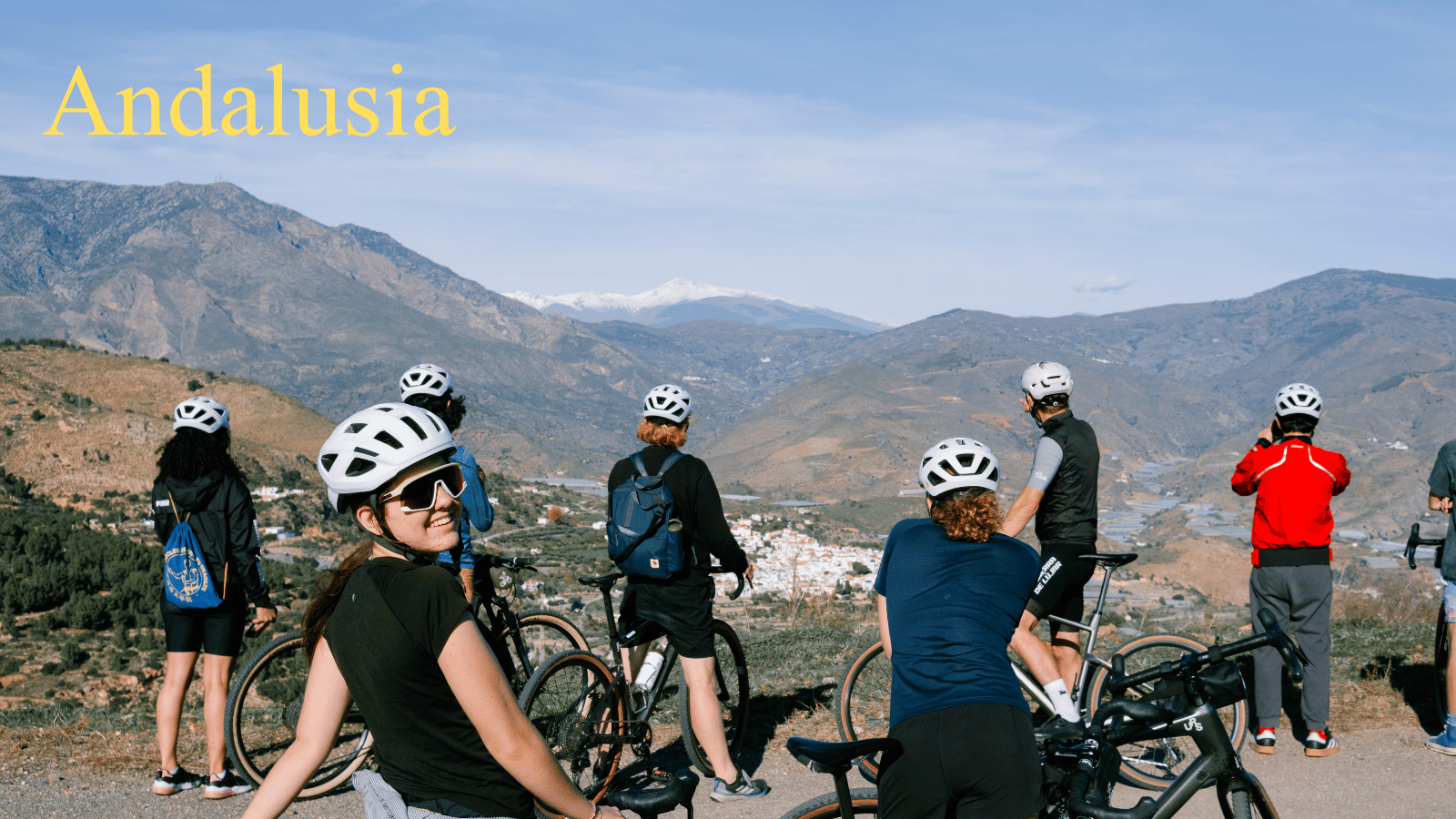
Eco Observers: Exploring Andalucía by Bike
For high performance athletes and daily commuters alike, cycling has been an effective and eco-friendly method of transport across the globe, and has come to a particular state of reverence in Europe. Across the hundreds of thousands of kilometers of trails in Europe, locals, tourists and adrenaline seekers have decided to frame their travel experiences through spokes and gears. On this Fellowship, we will take to our wheels as we tour the diverse ecosystems of the Sierra Nevada and Andalucía. The region is home to snowy mountain peaks, desert, coastal beaches, rich forests and urban ecosystems.
The Flavor of Place: From Soil to Plate in Emilia-Romagna
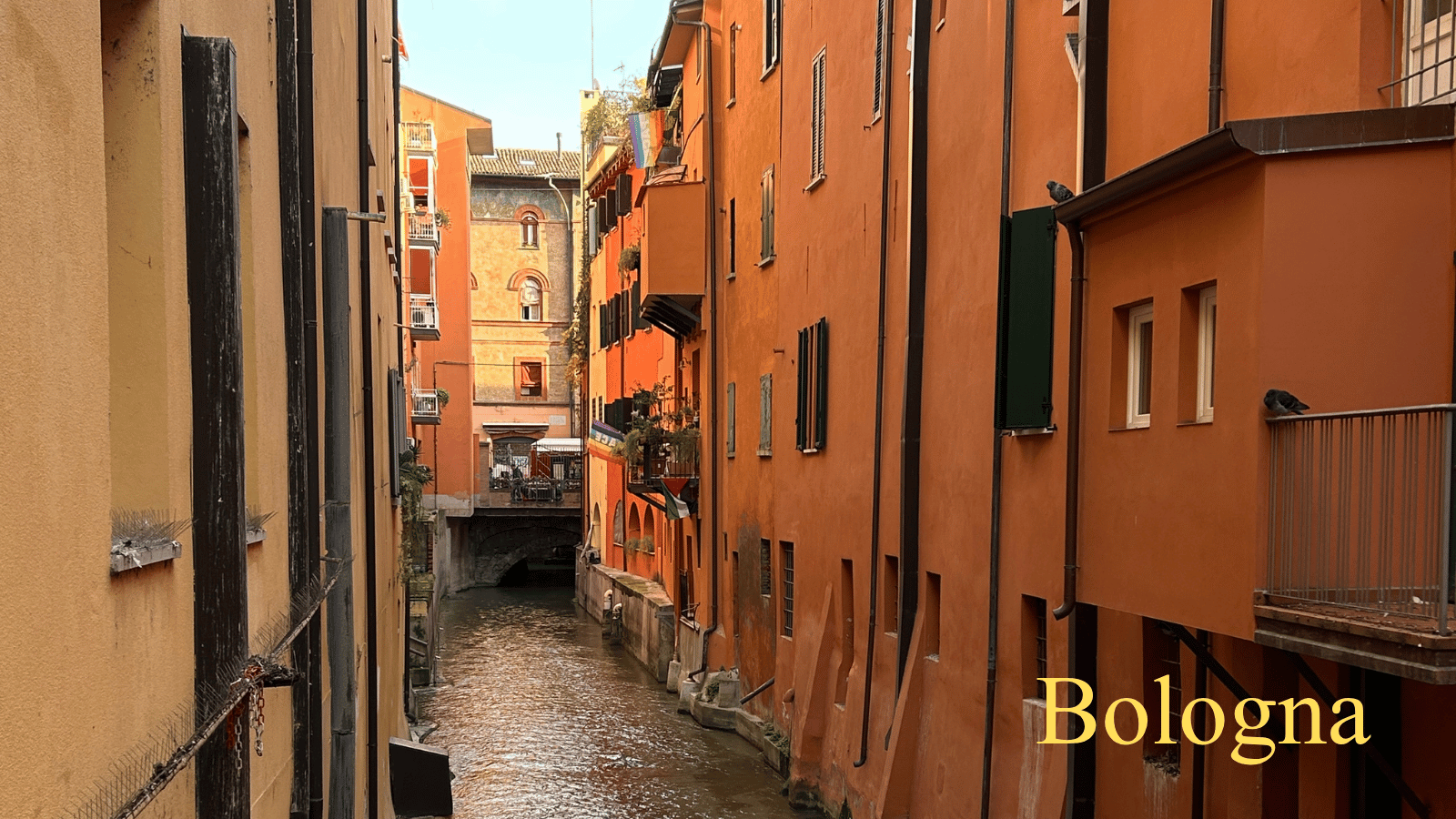
Italy’s cuisine is often hailed as one of the world’s finest, not just for its flavor, but for its reverence toward ingredients and tradition. This Fellowship will root itself in the culinary heart of the country: the Emilia-Romagna region. By travelling across Bologna (often referred to as “la grassa” (the fat one) for its rich food culture), Parma (like the cheese and the ham!) and lesser-known villages, students will taste (and cook with!) with some of Italy’s most loved cuisine and ingredients. Known as the birthplace of tortellini, ragù alla bolognese and mortadella, Bologna is also home to the world’s oldest university and a vibrant street food scene.
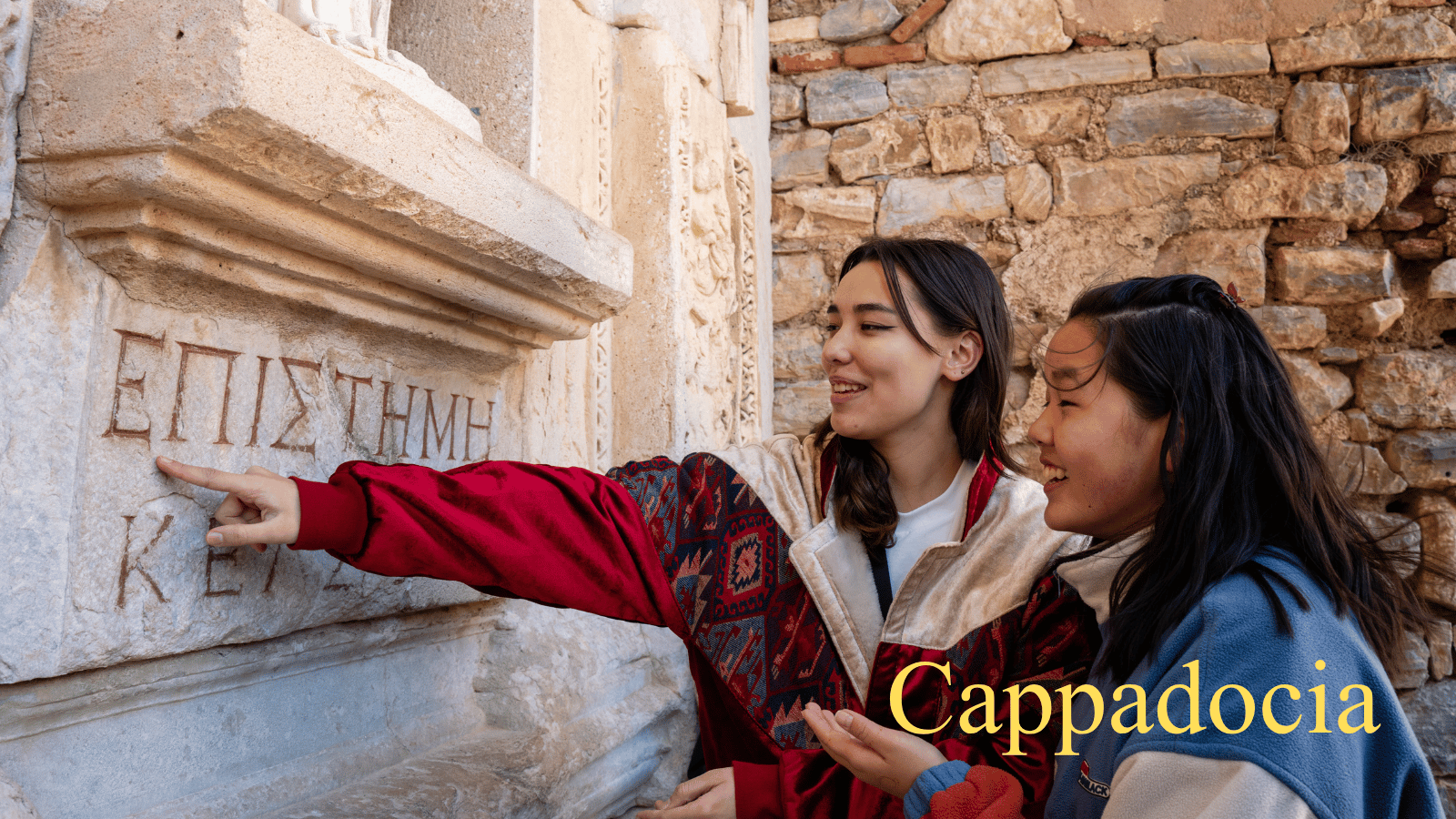
Tracing Civilizations in Cappadocia & Ephesus
Set in two of Türkiye’s most famous historic areas, this Fellowship helps scholars explore how land, belief, and culture connect. In Cappadocia, students document and observe volcanic rocks, early Christian caves, and vast underground towns built over the centuries as shelters. These places show how nature shaped spiritual ideas and community life. West in Ephesus, scholars journey through a lively old city of the Mediterranean. Here, stone streets, temples, libraries, and theaters show how trade, rule, and shared culture shaped daily life.
Across Coastlines & Ancient Paths on the Lycian Way: Antalya
Tracing one of the world’s most celebrated coastal trails, this program introduces students to the intertwined histories of the Lycian, Greek, Roman, and Ottoman worlds. The Lycian Way — lined with cliffside tombs, ruined harbours, olive groves, and turquoise coastline — offers a living classroom where the natural world and ancient civilisations coexist. As students walk short sections of the trail and visit archaeological sites such as Myra, Olympos, and Phaselis, they observe how the landscape, trade routes, and migration have shaped the evolution of Mediterranean culture.
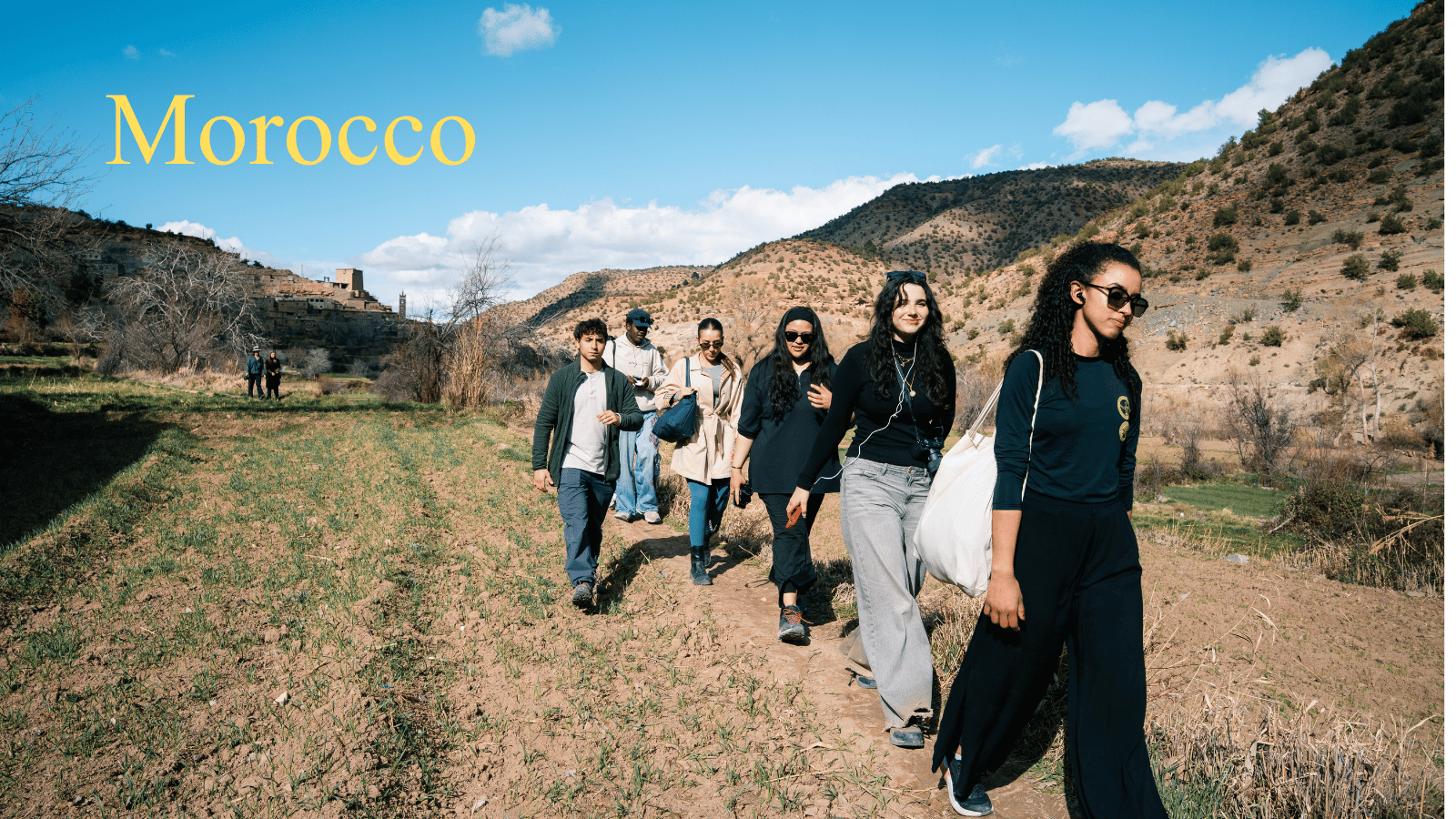
Mountains, Markets & Memory in Marrakech & the High Atlas
This route fuses the sensory splendor of Marrakech with the meditative landscapes of the High Atlas Mountains. In the city’s labyrinthine souks, plazas, and artisan quarters, students engage with customs forged by centuries of trade, craftsmanship, and the confluence of Arab, Amazigh, African, and Andalusian cultures. The High Atlas—home to Amazigh communities—showcases terraced fields, earthen dwellings, and mountain trails that reveal enduring bonds between people and land.
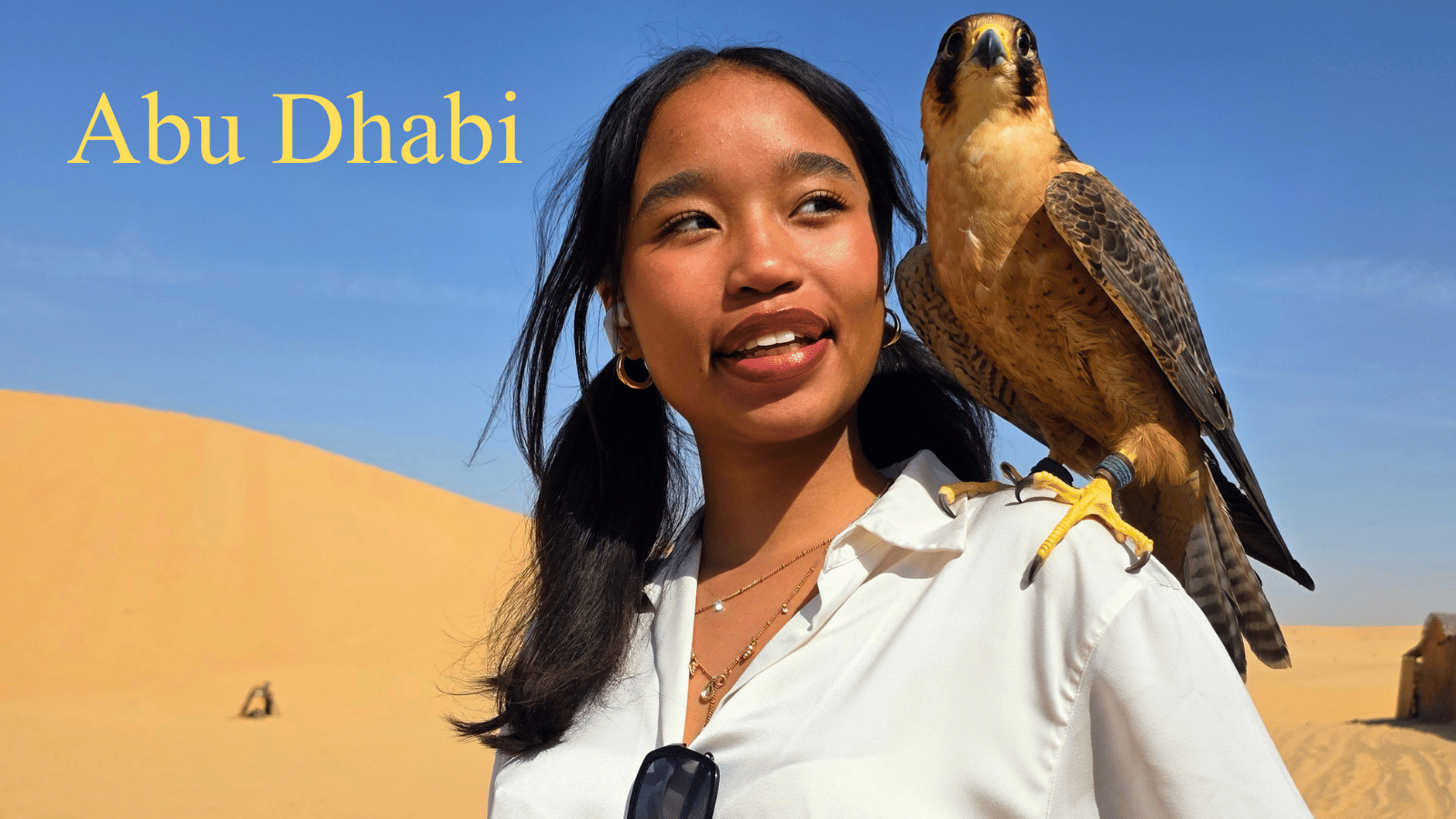
Designing the City of the Future – Innovation & Cyber Strategy in Abu Dhabi
As a leading innovation hub, the UAE lets students study how nations build technological ecosystems at scale. Abu Dhabi’s rapid modernization shows deliberate choices in national identity-building and digital governance. Policymakers also prioritize AI integration and cyber strategy. Curated visits, guided discussions, and field observations help scholars see how policymakers balance ambition with security, weigh cultural values against technological change, and navigate the realities of planning versus implementation.
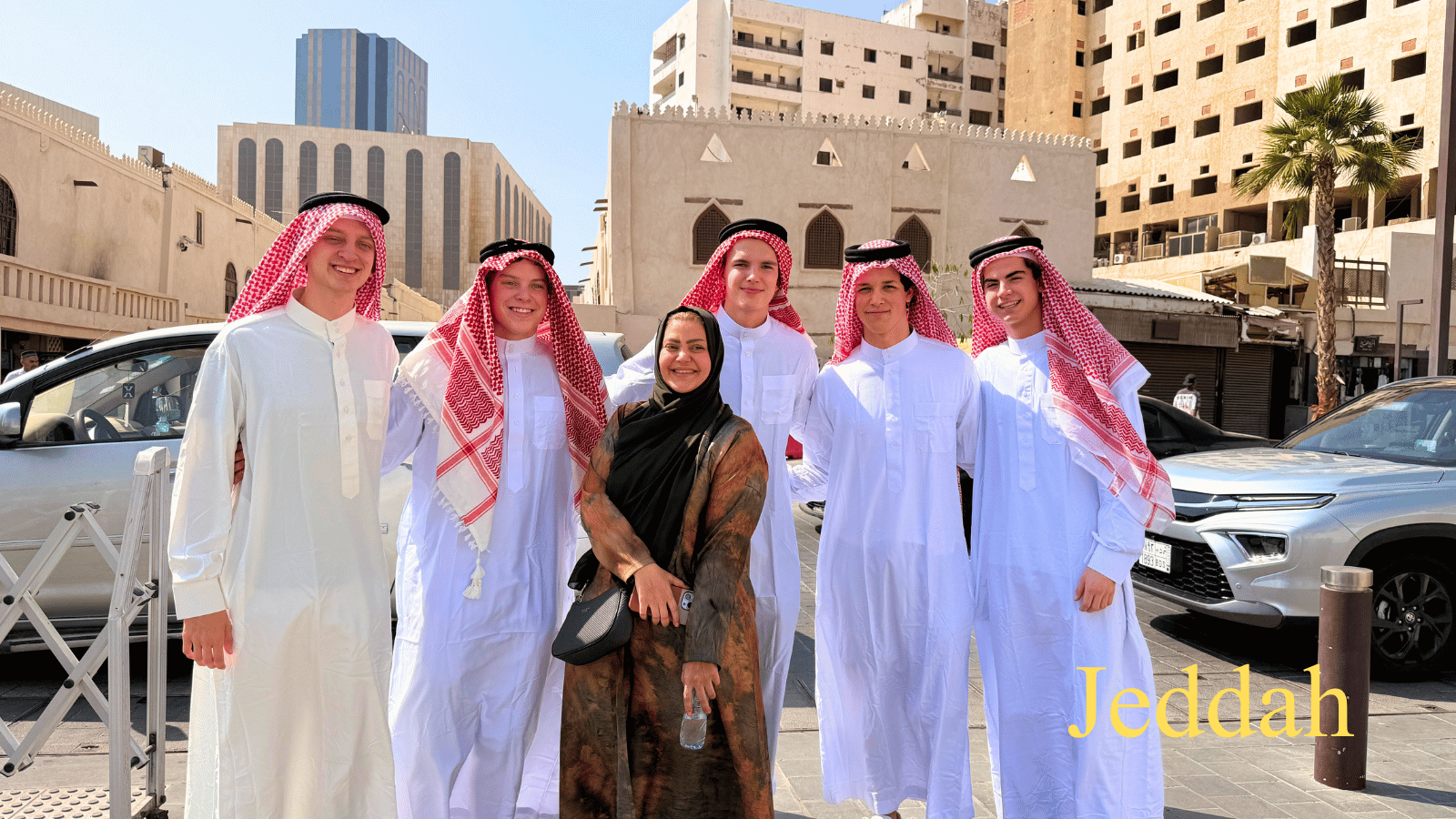
Jeddah: Where Heritage Meets the Future
Jeddah is rewriting its story — and this time, the world is listening to Saudi voices directly. This Fellowship invites students to gain first-hand experience in a city where heritage and modern ambition sit side by side. By engaging with local talent, innovators, and institutions, students will develop cultural awareness, creative skills, and valuable networks that equip them for future academic and professional pursuits. In the historic center, scholars encounter the roots of Hijazi identity: coral-stone buildings, community stories, and traditions that shaped the Red Sea world. Nearby, new districts, creative studios, and industries reveal how Saudi youth, women leaders, filmmakers, and researchers shape a modern future.
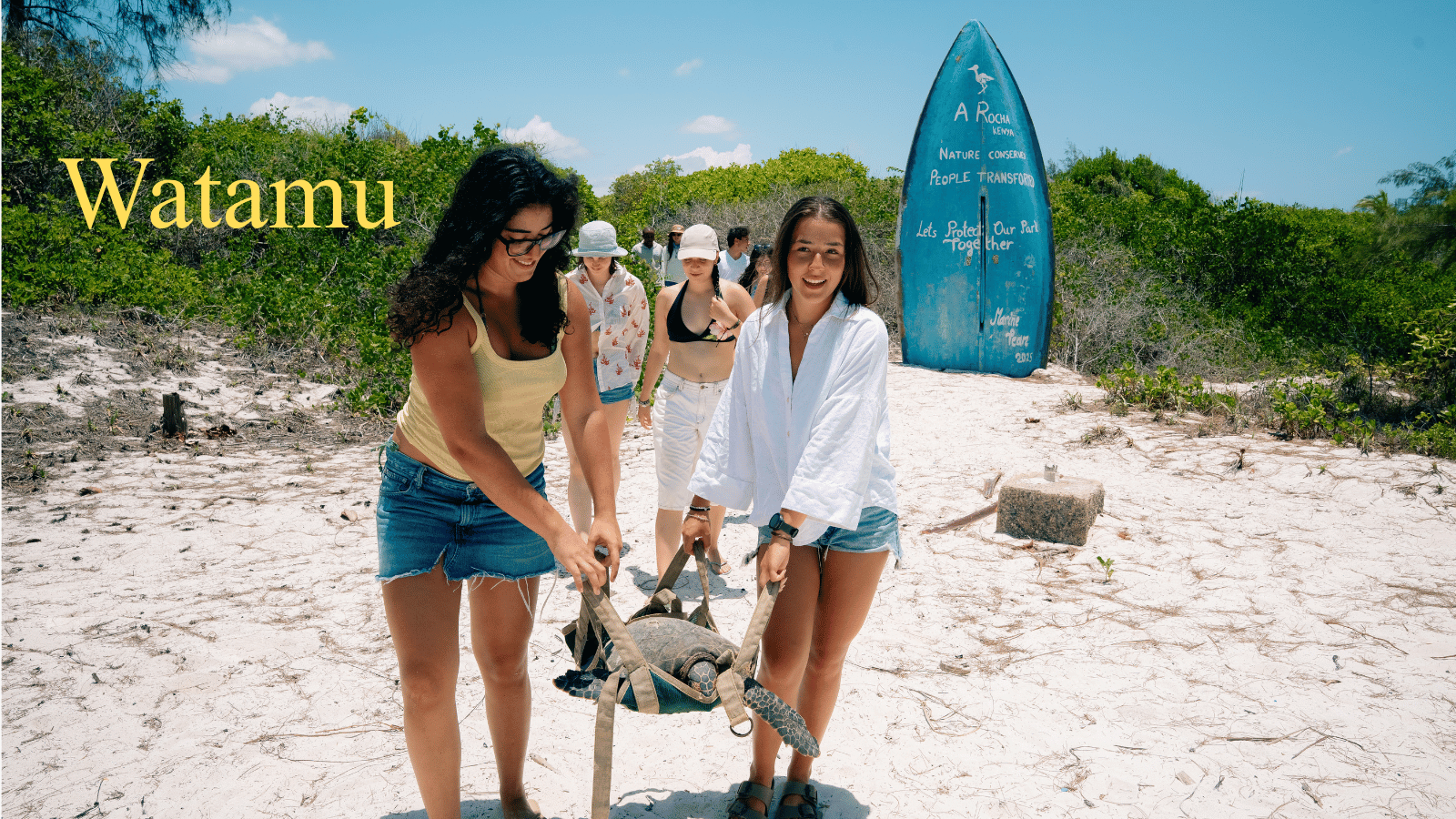
Saving the Sea – Marine Conservation in Watamu
On Kenya’s northern coast, scholars dive, quite literally, into one of East Africa’s most active marine conservation hubs. Watamu is home to vital ecosystems — mangroves, coral reefs, seagrass meadows, and endangered sea turtle nesting sites — that depend on the delicate balance between human livelihood and ecological stewardship. Students gain practical research experience and vital skills by collaborating with scientists and conservation practitioners on hands-on fieldwork, including turtle monitoring, beach cleanups, species identification, mangrove restoration, and coastal community engagement.
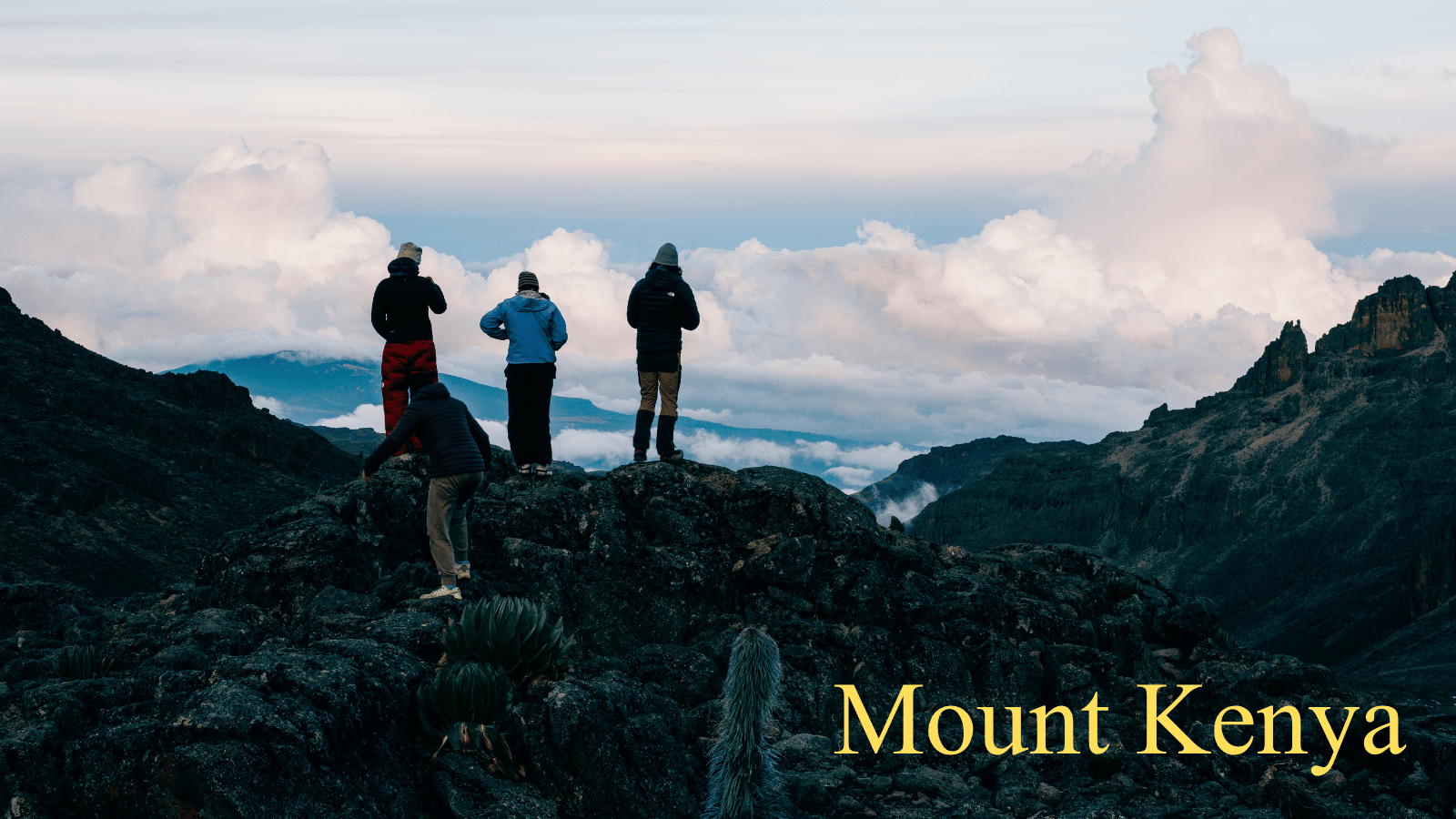
Peaking Mount Kenya — Alpine Ecology & Leadership
Mount Kenya, Africa’s second-highest peak, rises abruptly from the heart of the country in a dramatic union of volcanic rock, ancient glaciers, and vast alpine valleys. Situated almost directly on the equator, its landscape is unlike any other on the continent: bamboo and montane forests give way to giant heather, moorlands dotted with towering lobelias, and finally an alpine zone where sun, mist, and ice shift hour by hour. For generations, the mountain has been a cultural landmark for the Kikuyu, Embu, and Meru communities, who regard it as a sacred place — the home of their creator and the source of life-giving rivers.
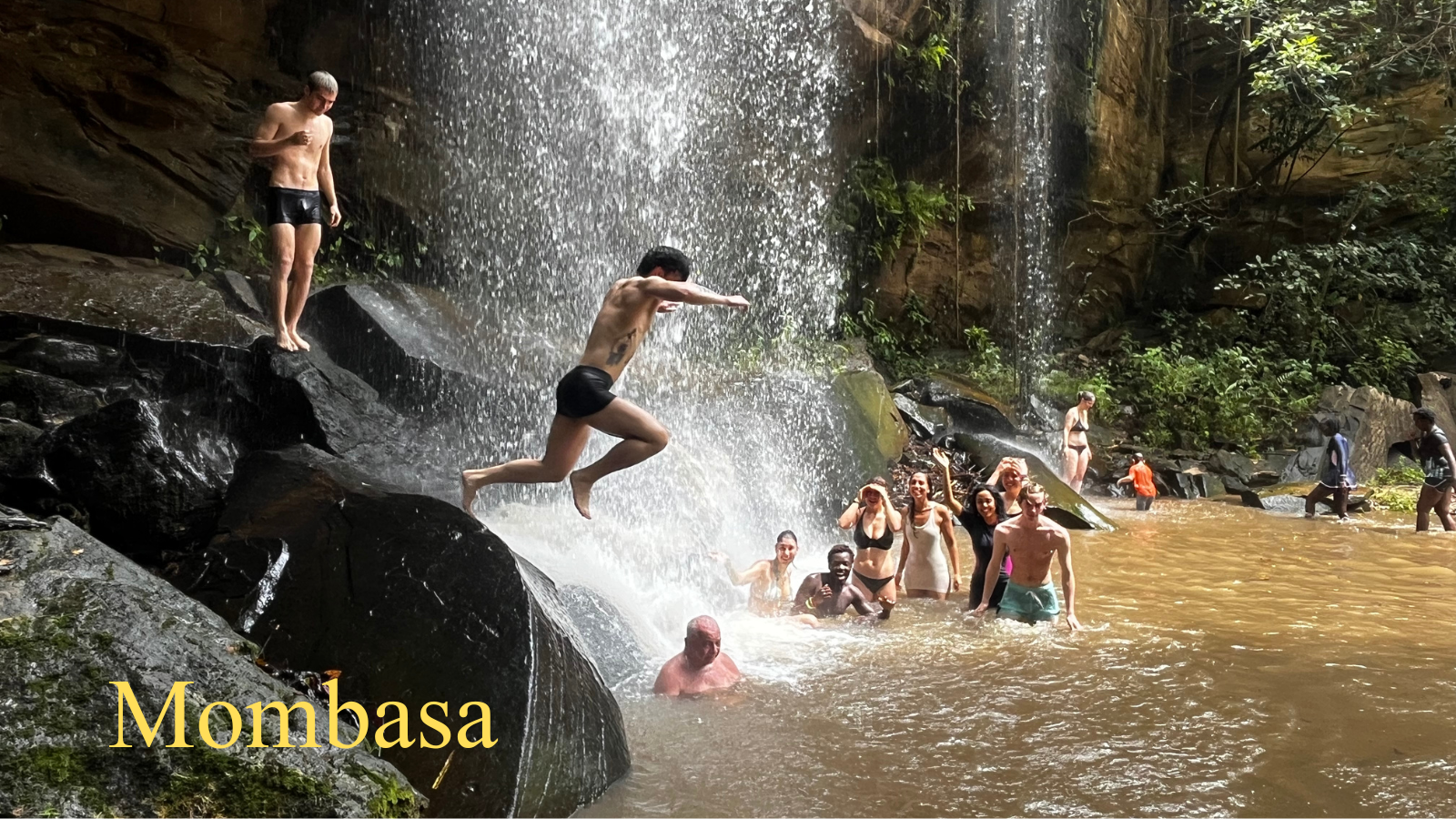
Where Oceans Meet Empire – Coastal Histories of Mombasa
Mombasa’s coastline has been a cultural crossroads for millennia, shaped by Indian Ocean trade, Swahili culture, Arab commerce, Portuguese expansion, and British colonial rule. In this program, students explore historic ports, mosques, fortresses, and neighborhoods that reveal how migration, trade, and power shaped East African identity. How do traces of distant worlds appear in Fort Jesus or linger in Old Town’s winding alleys? What hidden stories do these spaces hold, and how does cultural hybridity become embedded in architecture, language, and daily ritual? Building on these explorations, the program extends its lens beyond Mombasa itself to the broader Indian Ocean world.
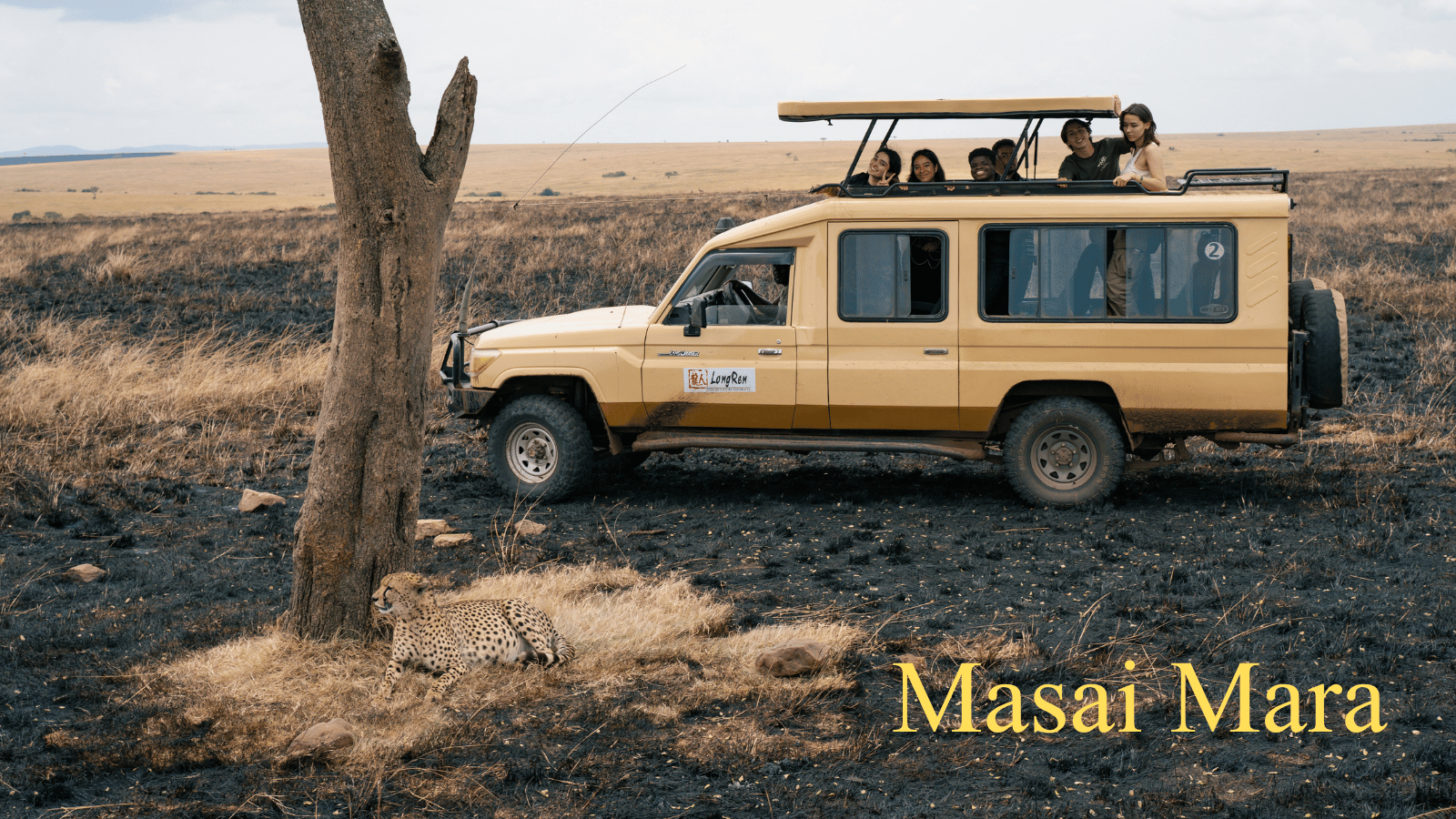
Living with Wildlife – Conservation & Community in the Masai Mara
In the Masai Mara, students examine the balance between wildlife protection and community livelihoods. Through discussions with conservationists, Maasai leaders, and rangers, scholars explore migration, predator–prey dynamics, land pressures, and anti-poaching strategies. This program emphasizes coexistence: how pastoralist traditions, tourism economies, and biodiversity conservation intersect in complex ways.
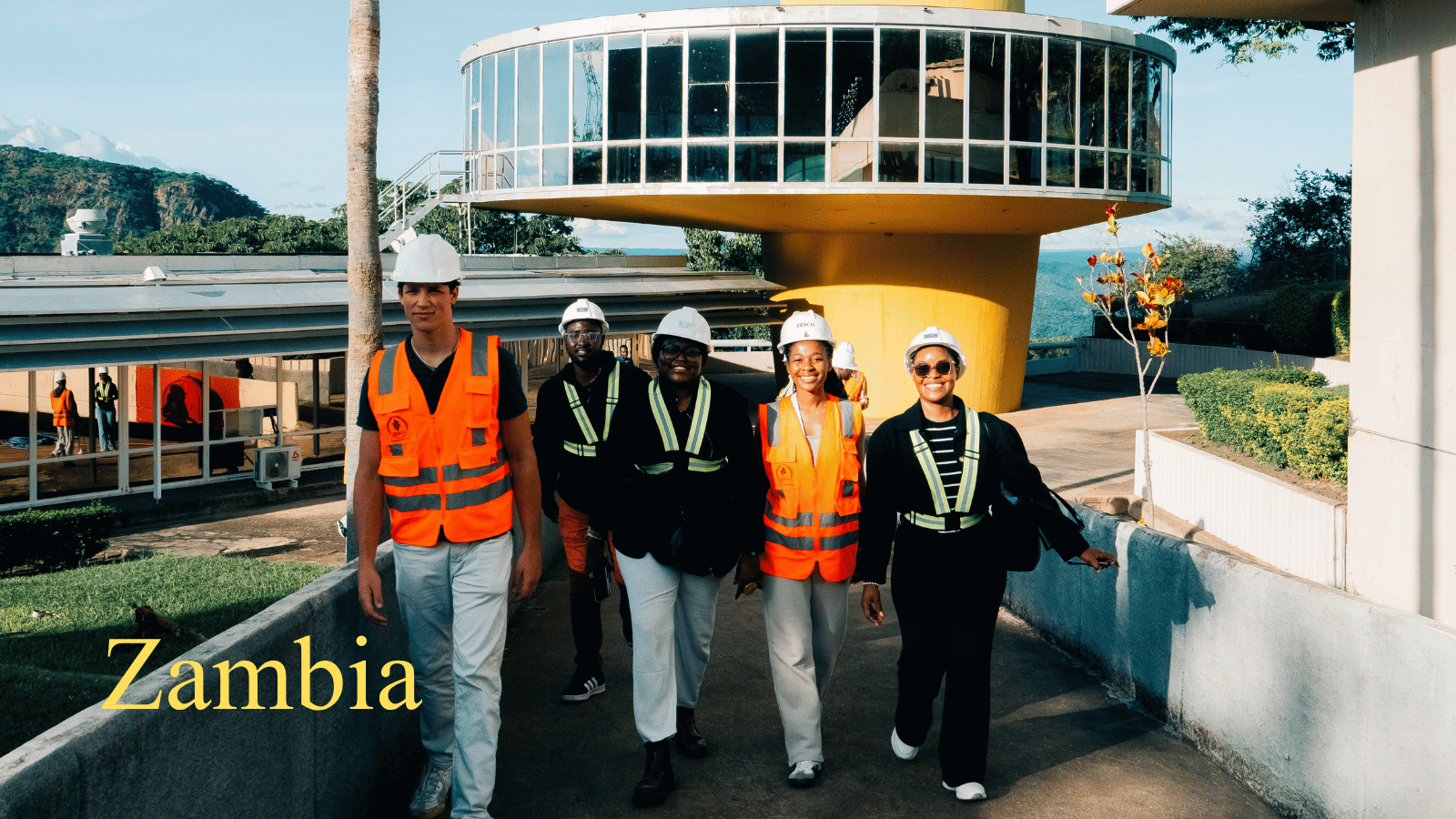
Learning, Leadership & Urban Life in Lusaka – Cavendish University Zambia
Anchored at Cavendish University Zambia, this immersive week offers scholars a multilayered introduction to contemporary Zambian life. The program highlights youth culture, the urban context, education, economic systems, and civic engagement. The experience begins with CUZ’s Freshers’ Ball. Here, music, performance, and peer interaction provide an immediate entry point into student identity and social expression. A guided tour of Lusaka builds geographic and cultural grounding. It highlights the relationship between history, livelihood, and the coexistence of formal and informal economies.
Tyger, Tyger, Burning Bright – Conservation Landscapes in Madhya Pradesh
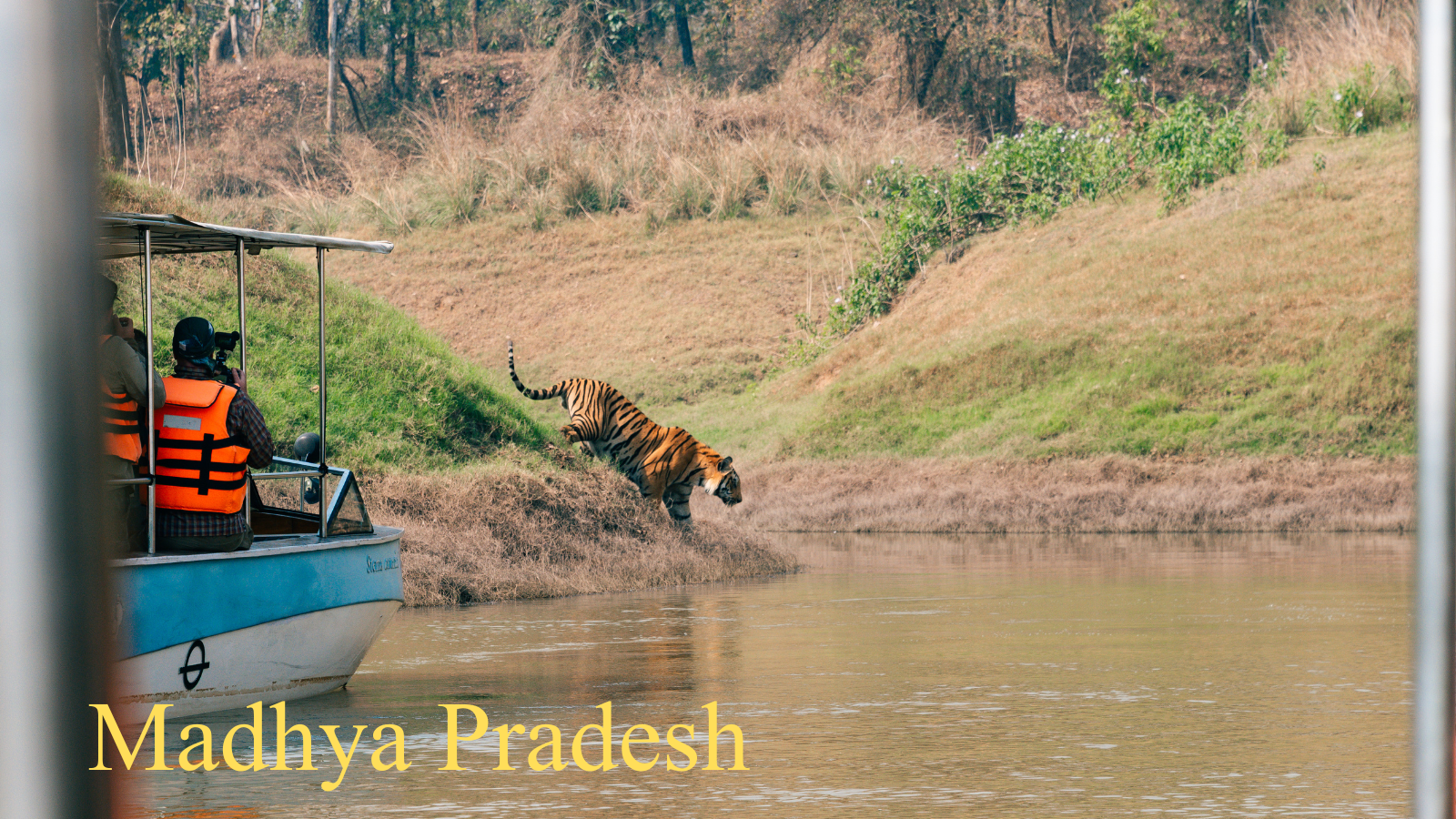
Madhya Pradesh holds over 75% of India’s Bengal tiger population, making it the heart of India’s conservation landscape and one of the planet’s most vital strongholds for big cats. Its forests — stretching across Bhopal, Satpura, and Bori — form a mosaic of rivers, sal woodlands, rocky outcrops, and deep ravines where tigers, leopards, sloth bears, and hundreds of bird species coexist in delicate balance. These ecosystems are wildlife corridors and living archives of Indigenous knowledge, historical land-use practices, and the evolving science of conservation.
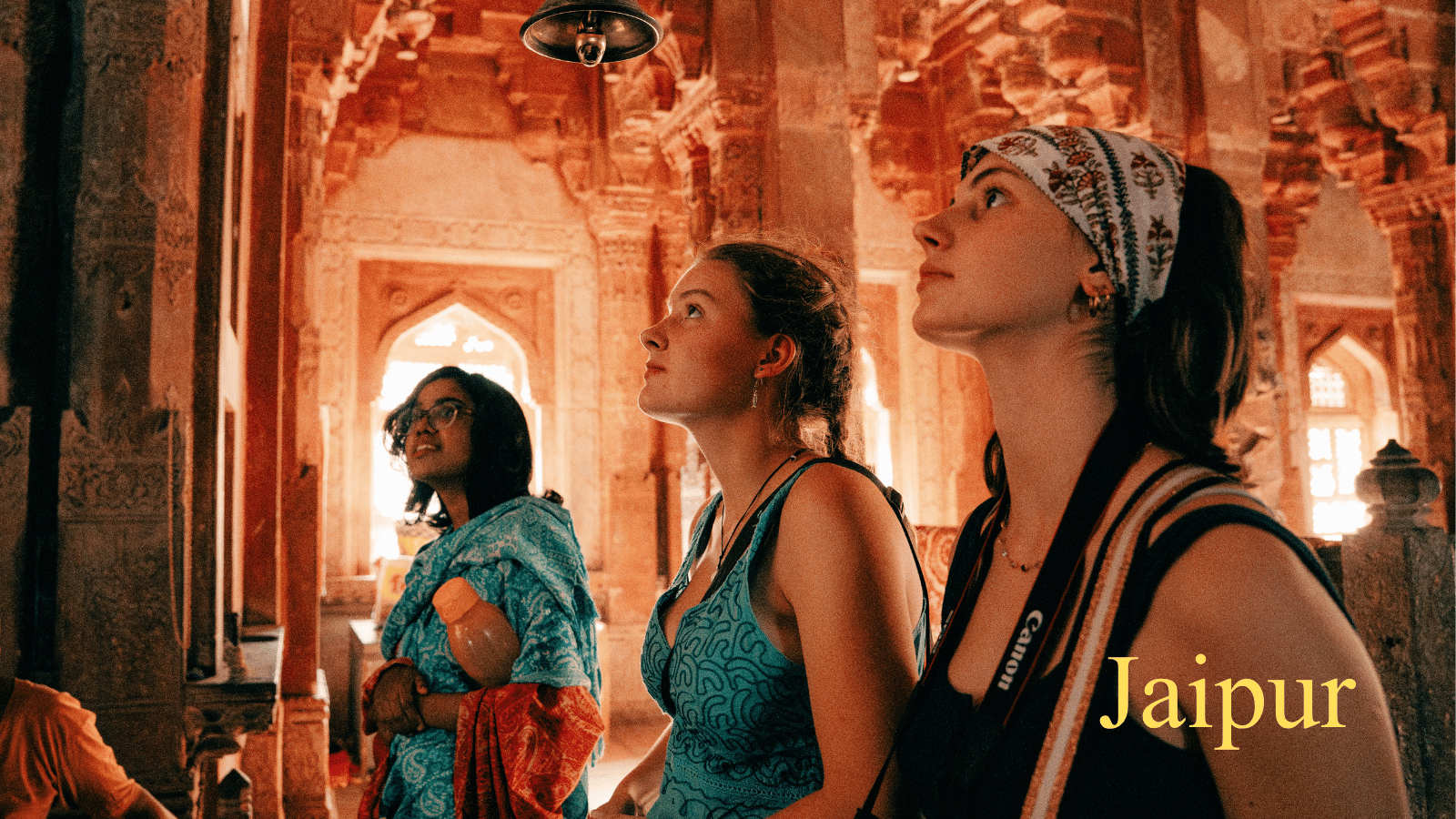
Dyes, Dynasties & Desert Craft – Traditions of Rajasthan
Rajasthan’s craft traditions open a remarkable window into India’s historical, artistic, and economic worlds. In its desert cities and village workshops, centuries of creativity are preserved by the hands of artisans who continue to carve, weave, print, and dye using techniques passed down through generations. This Fellowship takes students through the heart of these craft ecosystems, from textile studios in Jaipur and Bagru to artisan families working with natural dyes, block printing, leatherwork, and other desert-era crafts.
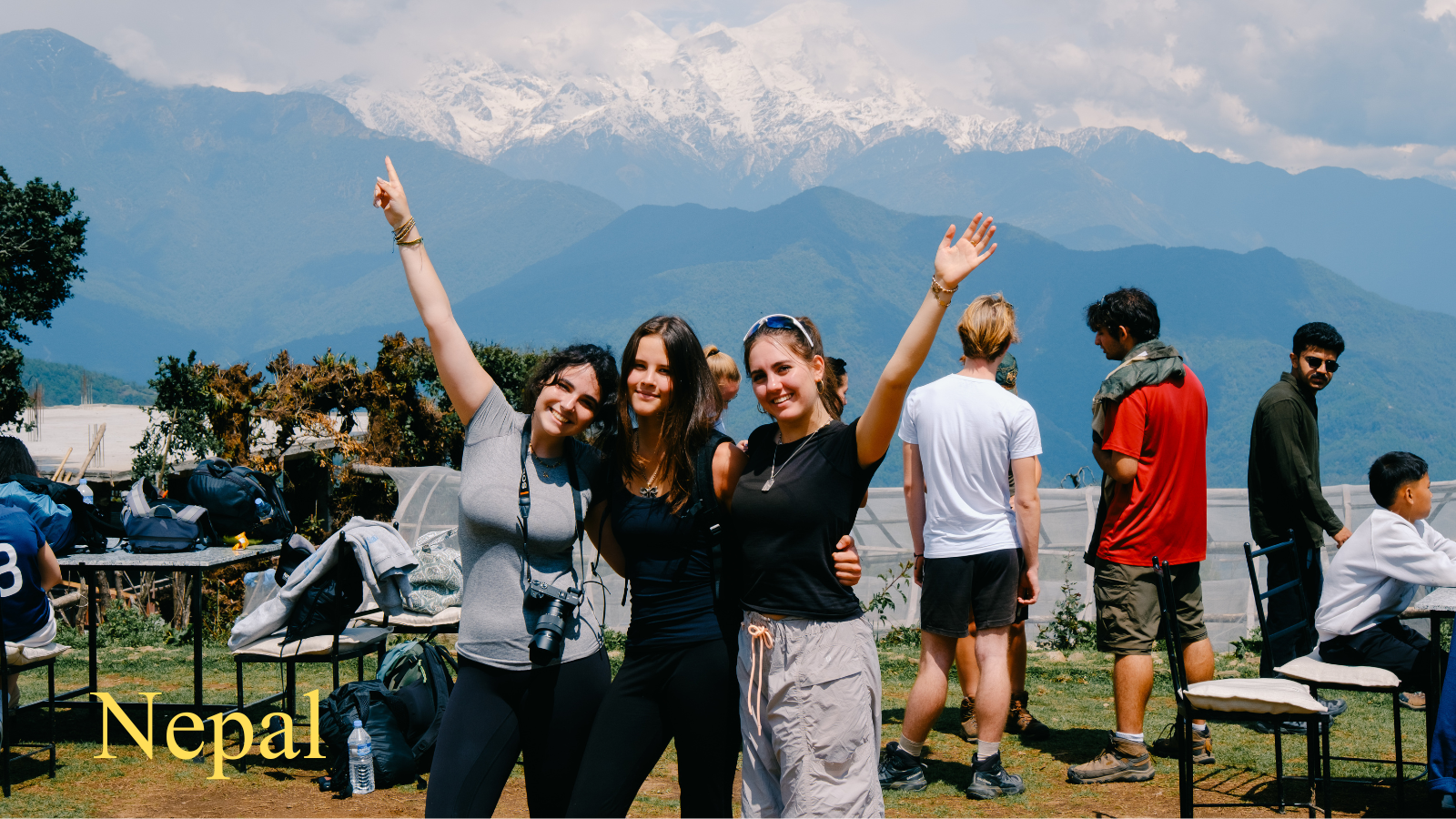
Valleys of Gods & Mountains – Kathmandu & the Himalayan Foothills
Nepal is a crossroads of sacred tradition, living heritage, and dramatic Himalayan landscapes. In the Kathmandu Valley, ancient temples, palace squares, and Buddhist stupas sit tightly woven into the rhythms of everyday life — places where artisans, monks, families, and pilgrims share the same courtyards and streets. This Fellowship leads students through these places before guiding them into the foothills for a multi-day trek, offering a rare chance to experience Nepal beyond its postcard peaks.
Coastal Conservation & Community Engagement – Sri Lanka
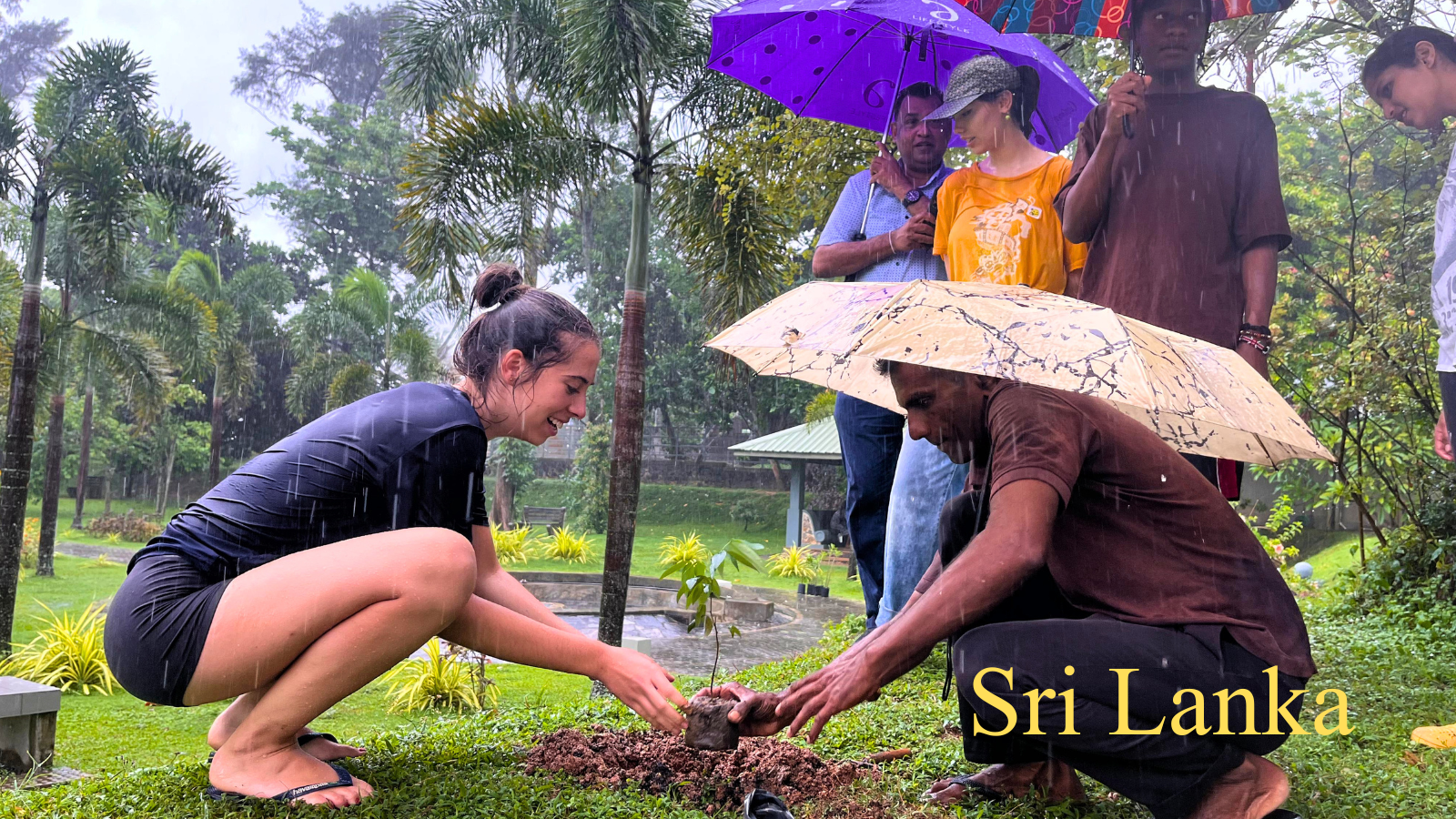
Sri Lanka’s southern coast is a landscape shaped by monsoon winds, warm currents, and generations of fishing and farming communities who depend on the sea. Its beaches are nesting grounds for endangered turtles; its lagoons cradle mangroves that protect coastal villages, and its towns carry traces of Portuguese, Dutch, and British influence. Based in Galle, students engage directly with conservation efforts, from supporting turtle hatcheries and planting coastal trees, to participating in beach cleanups and waste-management initiatives that address the growing pressures of tourism and marine pollution. This Fellowship will reveal the delicate balance between human livelihood and environmental health, and the work required to maintain it.
Inside China's Financial Architecture – Shanghai
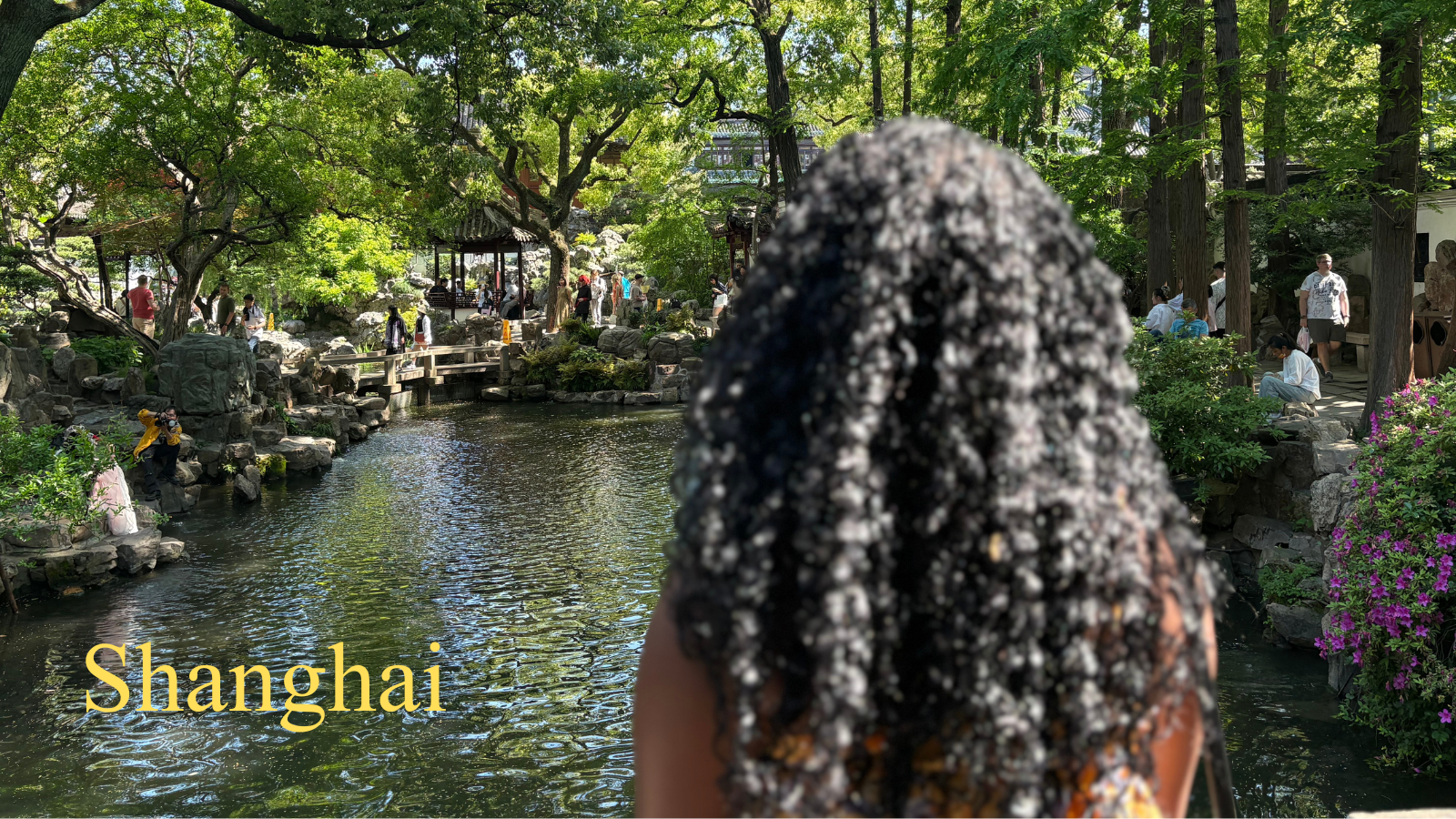
Shanghai is not just a city; it is a force of transformation. This immersive Fellowship is designed for future leaders ready to delve into the very engine room of this transformation: its dynamic financial machinery. Looking beneath the skyline, students will explore how capital, policy, and industrial strategy converge to power a global hub. The core of the experience is built on in-depth, candid conversations with industry leaders, providing scholars with an insider's perspective on the strategies, challenges, and opportunities at play. The Fellowship offers an unparalleled deep dive into the institutions and markets that define global finance.
Where Hardware Meets Imagination – Tech & Urban Futures in Shenzhen
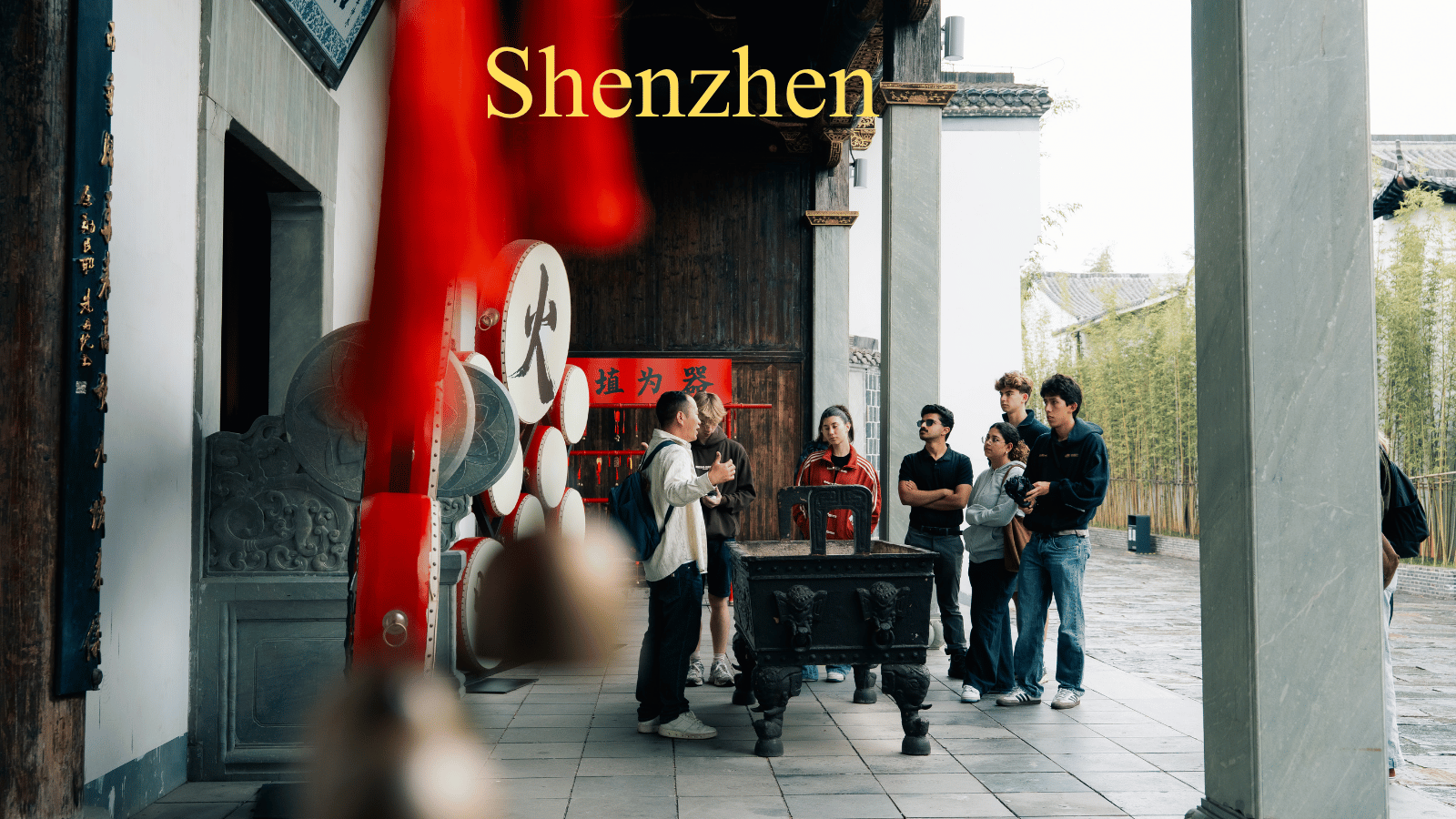
Shenzhen, hailed as China's “Silicon Valley,” stands as a testament to unprecedented transformation, having evolved from a modest fishing village into a global technology powerhouse in just four decades. This Fellowship immerses participants in the city’s dynamic innovation ecosystem, exploring how strategic policies, entrepreneurial daring, and cutting-edge research have fueled its rise. As the core engine of the Guangdong-Hong Kong-Macao Greater Bay Area integration, Shenzhen exemplifies regional interactions, where cross-border collaboration amplifies its impact on supply chains, talent mobility, and technological advancement. The city’s skyline, with landmarks like the Tencent Seafront Tower and Huawei’s R&D centers, reflects a relentless drive toward the future.
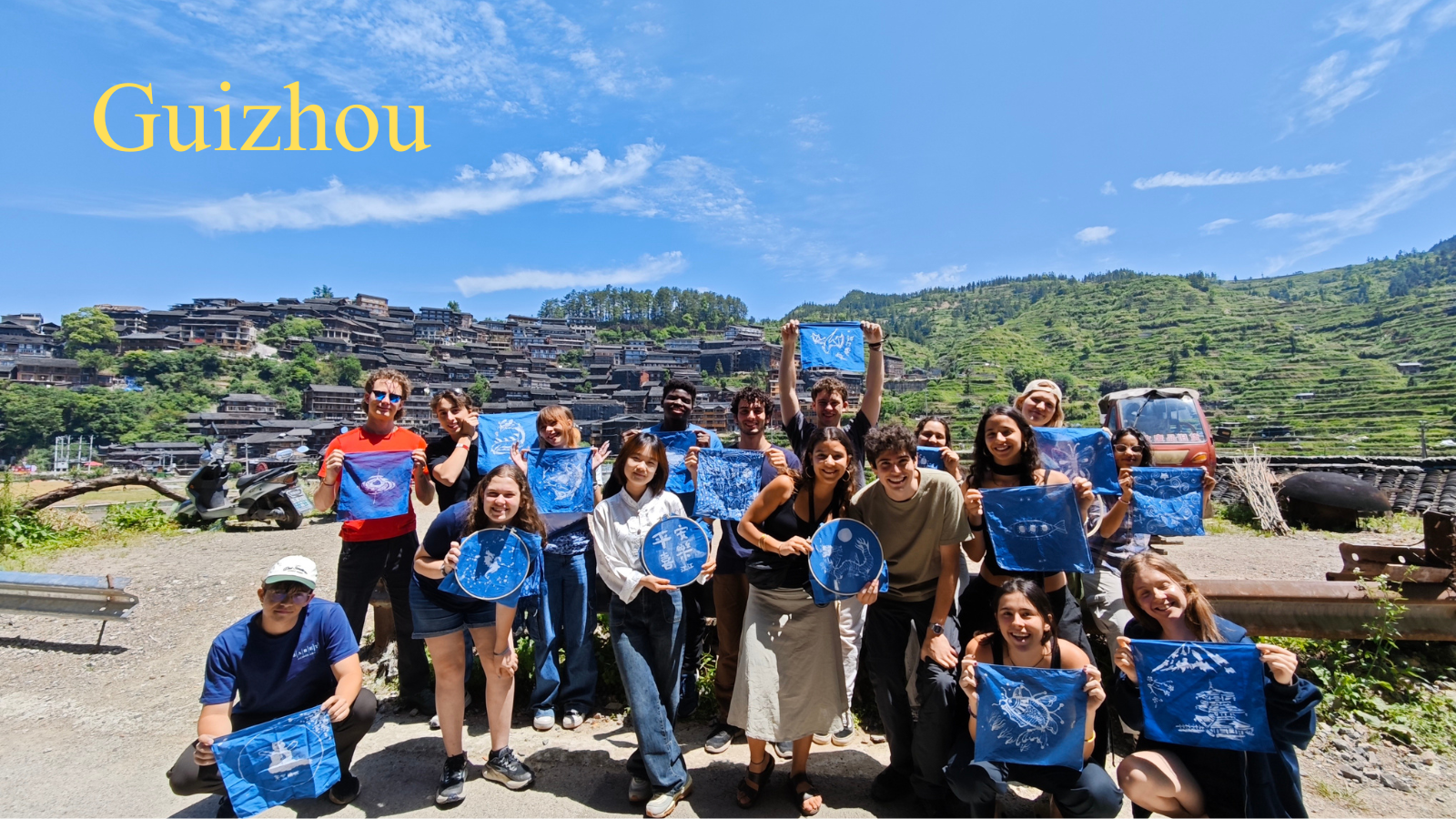
Bridges Through the Clouds – Ethnic Cultures & Mountain Landscapes in Guizhou
Nestled in China’s southwestern highlands, Guizhou is a province where dramatic natural landscapes, profound cultural heritage, and groundbreaking engineering converge. Home to more than a dozen ethnic minority groups — including the Miao, Dong, and Bouyei — the region preserves ancient traditions, from intricate batik textiles to vibrant festivals, creating a rich tapestry of social diversity. At the same time, Guizhou has emerged as a showcase of modern ingenuity, with engineering marvels like the Beipanjiang Bridge (one of the world’s highest) spanning its deep river gorges, and vast karst cave systems like the Zhi Jin Cave revealing the subterranean wonders beneath its lush terrain. This unique interplay of culture, technology, and ecology makes Guizhou a living laboratory for understanding sustainable development on a global scale.
Where Clay Remembers – Ceramics & Rural Heritage in Jingde Village
Jingde Village, revered for a millennium as the "Porcelain Capital," is now at the heart of a quiet industrial revolution. While meticulously preserving ancient ceramic arts and craftsmanship, the city has also emerged as a significant hub for advanced manufacturing, particularly in industrial-grade drones and research into new materials. This unique duality — where the legacy of the imperial kilns meets the innovation of high-tech aviation and robotics — makes Jingdezhen a compelling case study of how traditional artisan culture can coexist with, and even fuel, modern technological advancement. The city exemplifies a distinctive Chinese model of industrial innovation, where heritage is not a relic but a foundation for technological revolution.
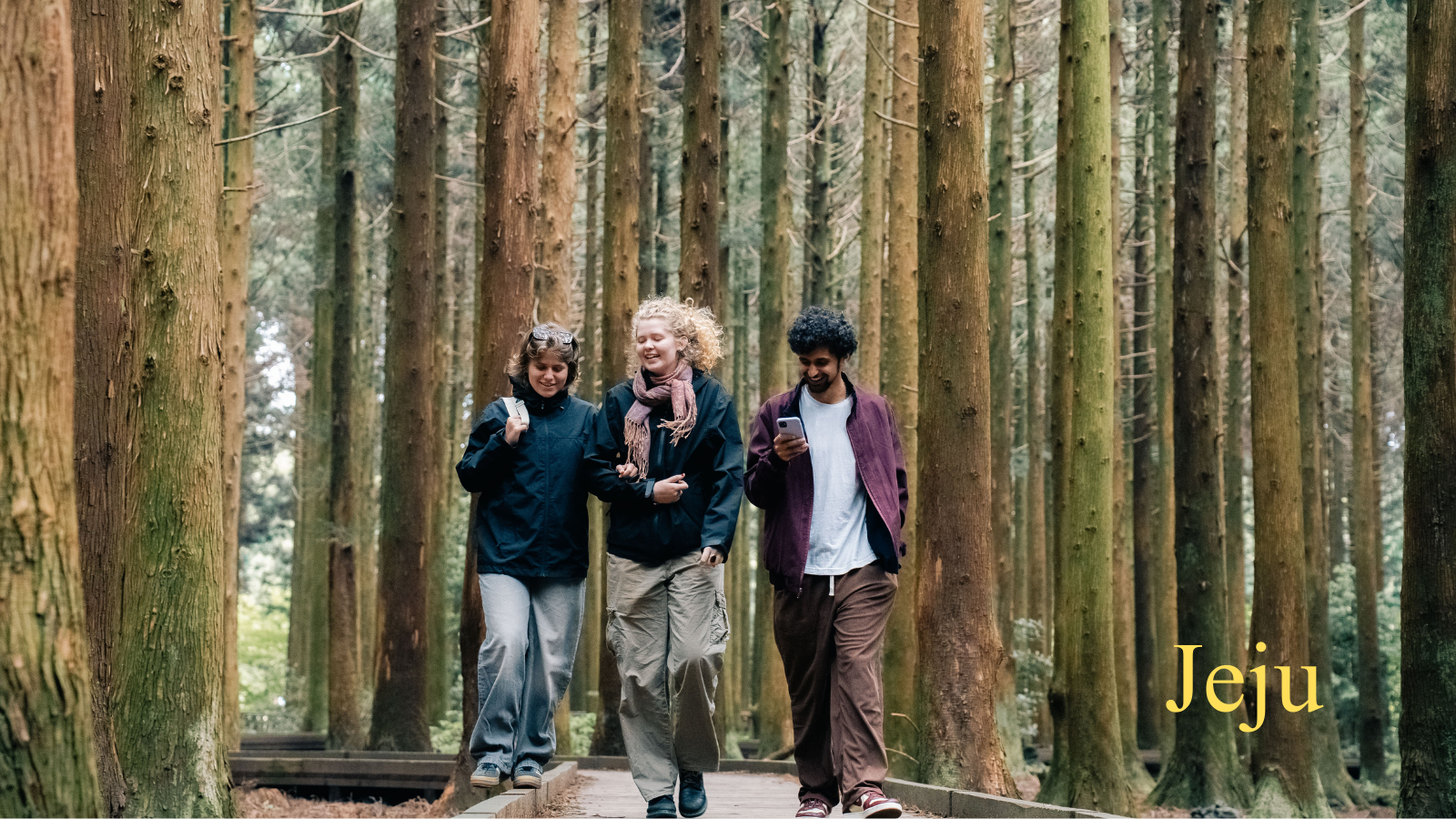
Volcanoes, Sea Winds & Myth – Nature & Culture of Jeju Island
Jeju Island’s volcanic landscapes and coastal ecosystems form a world unlike anywhere else in East Asia — a place shaped by fire, wind, water, and myth. Its lava tubes, crater lakes, and windswept oreum (volcanic cones) reveal an ancient geological history, while its coastal trails, fishing villages, and stone walls speak to generations of people who learned to live in rhythm with the island’s dramatic terrain. Everywhere on Jeju, natural formations hold cultural meaning: caves become mythic pathways, cliffs carry stories of love and loss, and the sea is home to both danger and sustenance.

NEW YORK
SAO PAULO
PARIS
ISTANBUL
NAIROBI
DELHI
BEIJING


.png)